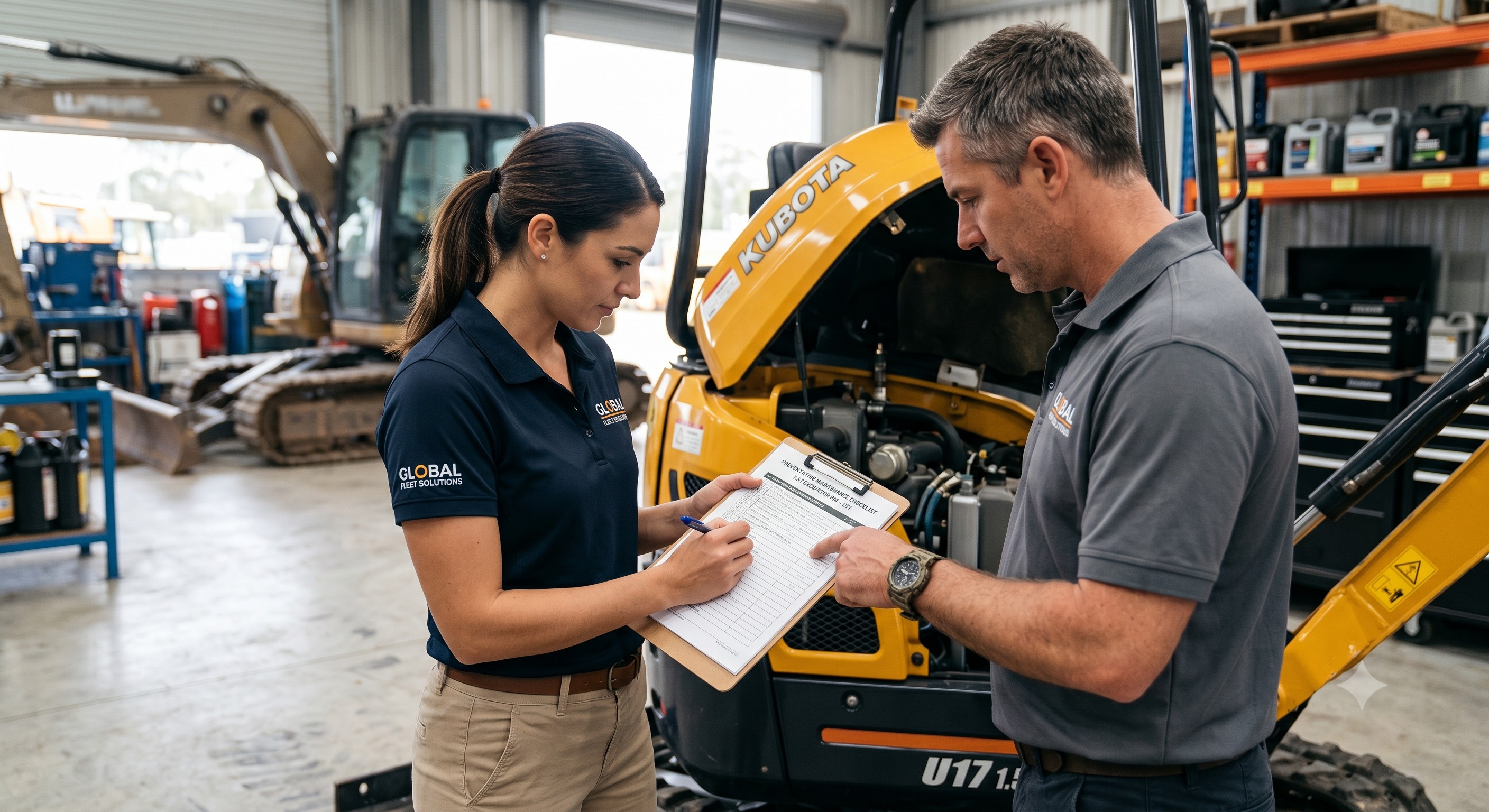
Designed for confined demolition, landscaping, and utility projects, the 1.5 ton excavator balances compact transport weight with real digging power. This FAQ addresses pre-sales specifications, compliance standards, and post-sales maintenance routines for procurement and fleet managers.

The standard operating capacity of a 1.5 ton excavator is 300 kg (660 lbs) to 350 kg (770 lbs) at 100% of tipping load. This rating follows ISO 10567 or SAE J1179. For safe operation on slopes or uneven ground, derate the payload by 25% to approximately 225-260 kg.
Replace hydraulic fluid in a 1.5 ton excavator every 1,000 operating hours or 12 months, whichever comes first. Follow this schedule for optimal pump life: Check fluid level and condition daily, change return filter at 500 hours, and perform full hydraulic oil replacement with ISO VG 46 or manufacturer-specified grade at 1,000 hours.
A 1.5 ton excavator typically supports attachments requiring 15-20 L/min hydraulic flow at 180-200 bar. Compatible attachments include 12-inch trenching buckets, 30-cm grading buckets, hydraulic augers up to 200mm diameter, and manual quick couplers. Avoid heavy breakers over 200 kg or any attachment requiring more than 22 L/min unless flow reduction is available.
Current 1.5 ton excavators comply with EU Stage V (non-road diesel engines below 19kW) or US EPA Tier 4 Final. Most models use a 10-15 kW diesel engine with DOC (Diesel Oxidation Catalyst) and no DPF (Diesel Particulate Filter) due to low soot output. Verify regional compliance: EU Stage V applies to engines ≤ 19kW, while Tier 4 Final exempts engines under 25 hp from DPF but requires DOC.
Grease the swing bearing every 50 operating hours and check track sag every 100 hours for a 1.5 ton excavator. For rubber tracks, maintain 15-20 mm sag between the track and roller; for steel tracks, adjust to 20-30 mm sag. Failure to grease the swing bearing every 50 hours leads to premature internal gear wear and radial play exceeding 3mm, requiring full bearing replacement.
Genuine hydraulic spare parts for a 1.5 ton excavator are available through manufacturer-authorized dealers, OEM part number cross-reference tools, and certified aftermarket suppliers like ITR or TVH. Always match the hydraulic pump serial number (e.g., Kawasaki K3V or Rexroth) and use only OEM-spec seals rated for 200 bar. Avoid unbranded cylinders or seals that fail within 200 hours.
Real-world fuel consumption of a 1.5 ton excavator averages 1.5 to 2.2 liters per hour under mixed digging and loading cycles. To calculate: (engine kW × BSFC constant × load factor) ÷ fuel density. For a 12 kW engine at 70% load factor and 245 g/kWh BSFC, expect 1.9 L/h. Use telematics or a fuel flow meter for fleet benchmarking.
Perform these three hydraulic system checks daily on a 1.5 ton excavator: (1) Inspect all visible hoses for chafing or wet spots, (2) Verify hydraulic oil level between sight glass marks with machine on level ground and attachments lowered, (3) Check for aeration (milky/foamy oil) after startup, indicating suction leak or low fluid. Record hours and findings to trend wear.