

Overview
Modern excavating machines, when equipped with the right attachments and technology, are highly capable of precise trenching for utility installation, fiber optic lines, and infrastructure projects. This FAQ addresses key operational and procurement concerns for B2B fleet managers, from achieving accuracy with machine control to maintaining your fleet with proper intervals. Below, we answer your most critical questions to ensure your trenching projects are efficient, safe, and cost-effective.
Frequently Asked Questions
Q1: Can an excavating machine achieve precise trenching accuracy for utilities?
Yes, modern excavators can achieve precision trenching within 0.1 feet (approximately 30 mm) using advanced machine guidance and control systems. Research shows that automated systems provide an accuracy of ±2.1 cm, drastically reducing over-excavation and rework . By utilizing on-board grade control and real-time bucket position tracking, operators can consistently meet depth and slope specifications without manual surveying .
Q2: What attachments are essential for precise trenching with an excavator?
Trenching buckets, rock saws, and drum cutters are the primary attachments for precision work. Narrow and long trenching buckets are ideal for clean, deep cuts, minimizing backfill . For hard rock or concrete, attachments like the KEMROC KTR 65 or Yichen rock saws deliver narrow trenches with minimal overbreak . An optional grading tool or clamp attachment also helps in creating smooth trench bottoms .
Q3: What is the recommended maintenance interval for an excavator used in trenching?
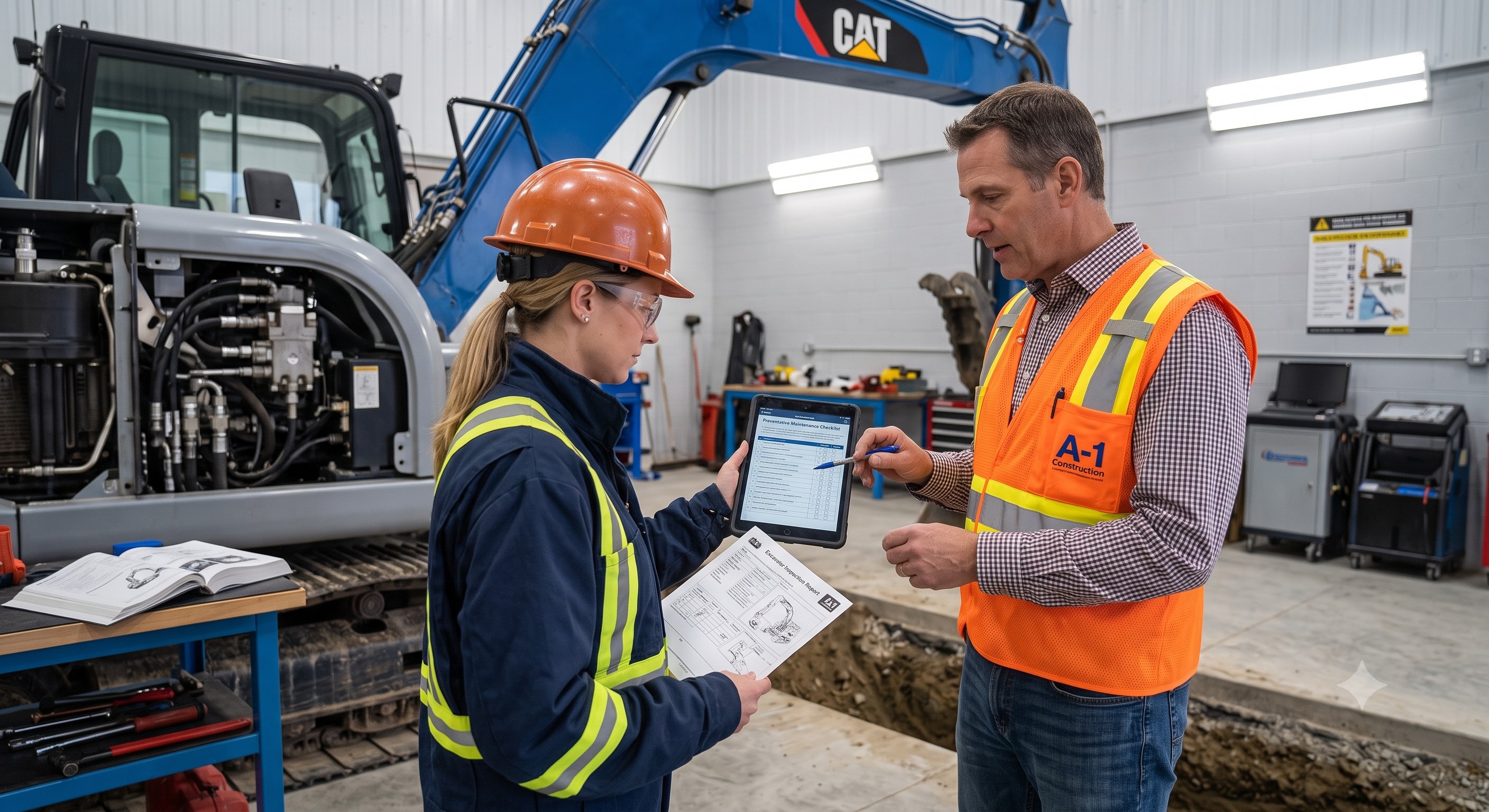
The standard preventive maintenance schedule follows a tiered system based on engine hours: daily visual checks, PM1 at 250 hours, PM2 at 500 hours, PM3 at 1,000 hours, and PM4 at 2,000 hours . Hydraulic fluid is typically replaced at the 2,000-hour interval (PM4), but samples should be analyzed at 1,000 hours . Frequent inspections of control mechanisms are required daily to monthly, following OSHA and manufacturer guidelines .
Q4: How do I know if my excavator is compatible with new trenching attachments?
Attachment compatibility is determined primarily by the excavator's operating weight, hydraulic flow, and pressure. Manufacturers design attachments for specific weight classes (e.g., 5 to 60 tons for rock saws) . Ensure your machine's auxiliary hydraulic system meets the attachment's flow and pressure requirements and that the mounting interface (pin-on or quick coupler) matches .
Q5: How does machine control technology improve trenching productivity?
Machine control systems improve productivity by an average of 81.12% by eliminating the need for manual grade checking and rework . Operators can import 3D designs and track bucket position in real-time, ensuring the trench is perfectly on grade on the first pass. This technology reduces swing cycles and fuel waste, allowing projects to meet tight daily deadlines .
Q6: What are the key specifications to review before renting an excavator for trenching?
Before renting, review the machine's digging depth, arm geometry, ground pressure, and transport dimensions . Ensure the auxiliary hydraulic flow matches your intended attachment, and verify if the machine includes a quick coupler for efficient attachment changes . Also, check the machine's work modes to ensure it has a precision mode for fine control and a power mode for mass excavation .
Q7: How often should hydraulic fluid be replaced in an excavator used for heavy trenching?
Hydraulic fluid replacement is generally required every 2,000 operating hours, as part of a comprehensive PM4 service. However, it is critical to conduct S.O.S (Scheduled Oil Sampling) at the 1,000-hour mark to analyze the fluid's condition, especially in demanding trenching applications with high particulate exposure . This predictive maintenance approach extends component life and prevents expensive failures.