A comprehensive technical datasheet and sourcing checklist for procurement professionals, ensuring optimal selection of mini excavators (1-10 tons) for construction, agriculture, and urban infrastructure.
EXECUTIVE SUMMARY
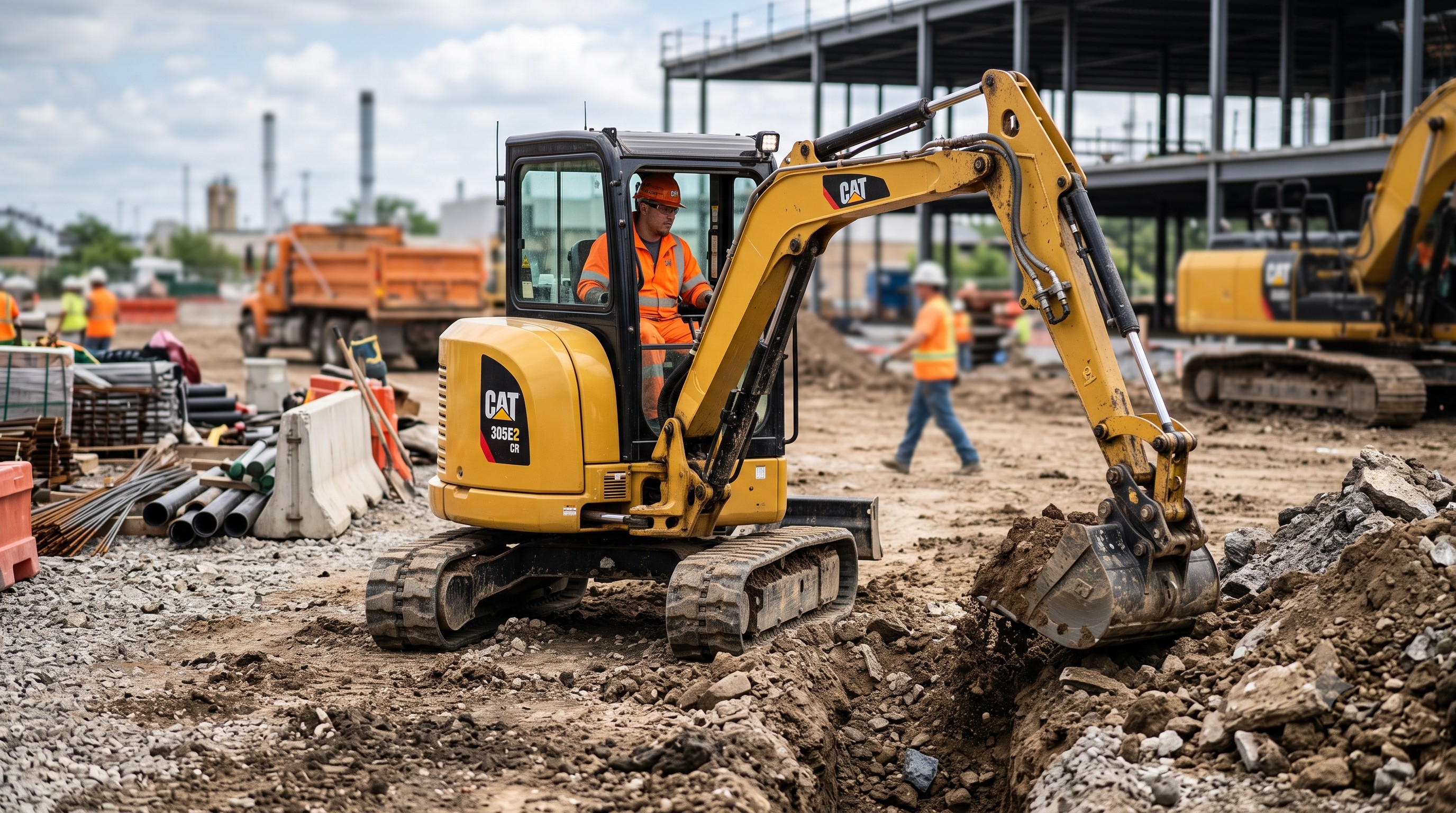
This document serves as the definitive technical overview and procurement checklist for the modern mini excavator—a cornerstone of compact construction equipment. Designed for maximum power density within a reduced footprint, these machines are essential for residential development, landscaping, utility installation, and urban infrastructure projects where maneuverability is paramount . This guide provides a framework for evaluating structural integrity, powertrain efficiency, and safety compliance, ensuring that sourcing decisions are based on engineering excellence and long-term reliability rather than price alone.
The following sections detail the critical specifications and compliance standards required for a sound investment. From high-grade steel chassis and advanced hydraulic systems to operator safety features and certification verification, this datasheet equips procurement professionals with the technical knowledge to select a mini excavator that delivers up to 20% more performance and up to 10% lower total ownership costs compared to conventional models . We emphasize a holistic approach to sourcing that balances initial cost against operational efficiency, durability, and after-sales support.
STRUCTURAL INTEGRITY & POWERTRAIN
The foundation of a reliable mini excavator lies in its structural design and powertrain. The chassis utilizes high-grade steel construction to ensure durability and stability during rigorous digging and lifting operations. Full steel bodywork (with no plastic components) is critical for ensuring long life and low-cost repairs, while a robust undercarriage featuring a self-cleaning design reduces wear and maintenance in tough conditions .
The powertrain is engineered for efficiency and compliance. Leading models are equipped with high-torque diesel engines from reputable brands such as Cat, Komatsu, Kubota, or Isuzu . To meet global emissions standards, engines are frequently certified to U.S. EPA Tier 4 Final and EU Stage V regulations, incorporating advanced technologies like Cooled Exhaust Gas Recirculation (EGR) to reduce emissions without sacrificing power . The hydraulic system is the heart of the machine, utilizing load-sensing hydraulics with variable displacement piston pumps that optimize flow and pressure (often rated at 20–25 MPa) for maximum efficiency and precise control of the boom, arm, and bucket .
KEY FEATURES & OPERATOR COMFORT
- Load-Sensing Hydraulics: Provides precise, proportional control over all machine functions. This system adjusts pump flow to match the demand of the hydraulic circuit, ensuring smooth operation and optimal fuel efficiency during multifunction movements (e.g., lifting while slewing) .
- ROPS/FOPS Certified Cab: Operators are protected by a certified Roll Over Protective Structure (ROPS) and Falling Object Protective Structure (FOPS) (ISO 12117-2:2008), ensuring safety in the event of a rollover or impact from debris . A premium pneumatic suspension seat with automatic weight control and height-adjustable armrests minimizes operator fatigue during long shifts .
- Smart Control & Monitoring: Advanced machines feature intuitive control panels with customizable operator settings to tailor performance to specific applications. Integrated remote monitoring systems (e.g., Komtrax) allow fleet managers to track machine location, utilization, and maintenance alerts, optimizing fleet management and uptime .
- Enhanced Visibility & Safety: To meet stringent site safety requirements, machines offer 360-degree visibility through a combination of mirrors and optional camera systems, meeting the standard of a clear line of sight around the machine . A green beacon indicator on the exterior signals that the operator’s seat belt is engaged, enhancing worksite safety compliance .
- Reduced Maintenance Intervals: Innovations in component design extend service intervals. The use of specialized bushes on working parts requires greasing every 500 hours, compared to standard bushes requiring daily lubrication, significantly reducing maintenance downtime and costs .
COMPLIANCE & SAFETY STANDARDS
Strict adherence to international safety and emissions standards is non-negotiable. When sourcing a mini excavator, verify the following certifications to ensure legal compliance and operational safety:
- Emissions Compliance: U.S. EPA Tier 4 Final and EU Stage V for engine emissions .
- Safety Standards: ISO 12117-2:2008 for ROPS, ISO 10262:1998 (Level I) for FOPS, and EN 474-5 (Safety requirements for hydraulic excavators) .
- Quality Management: ISO 9001 for consistent manufacturing quality management systems .
- Operational Compliance: Must meet local legislative requirements, such as UKCA certification or the European Commission Machinery Directive (2006/42/EC) . For lifting operations, compliance with Lifting Operations and Lifting Equipment Regulations (LOLER) is required, including valid certifications and overload warning systems .
TECHNICAL SPECIFICATIONS
The following specifications are based on standard models within the 1-6 ton class and serve as a benchmark for procurement. Note that specific values will vary by model, weight class, and optional configurations. These parameters are critical for ensuring the machine meets the specific demands of the application.
| Parameter | Specification (Typical 3-5 Ton Class) |
|---|
| Engine Model | Cat C3.3B / Komatsu 3D88E-7 / Kubota (EPA Tier 4 Final/EU Stage V) |
| Net Power | 18 - 52 kW (24 - 70 hp) |
| Operating Weight | 4,000 - 10,500 kg |
| Digging Depth (Max) | 2.8 - 5.2 m |
| Dump Height (Max) | 3.8 - 5.8 m |
| Hydraulic Flow | Variable displacement pump, up to 235 L/min |
| Operating Pressure | Up to 28.5 MPa (4,134 psi) |
| Fuel Tank Capacity | 40 - 150 L |

