

Overview
Verifying a small excavator directly from a supplier is a critical step for B2B procurement and fleet managers to ensure equipment reliability and regulatory compliance. This FAQ covers essential pre-sales specifications, post-sales maintenance, and after-sales support directly from our comprehensive guides and industry expertise.
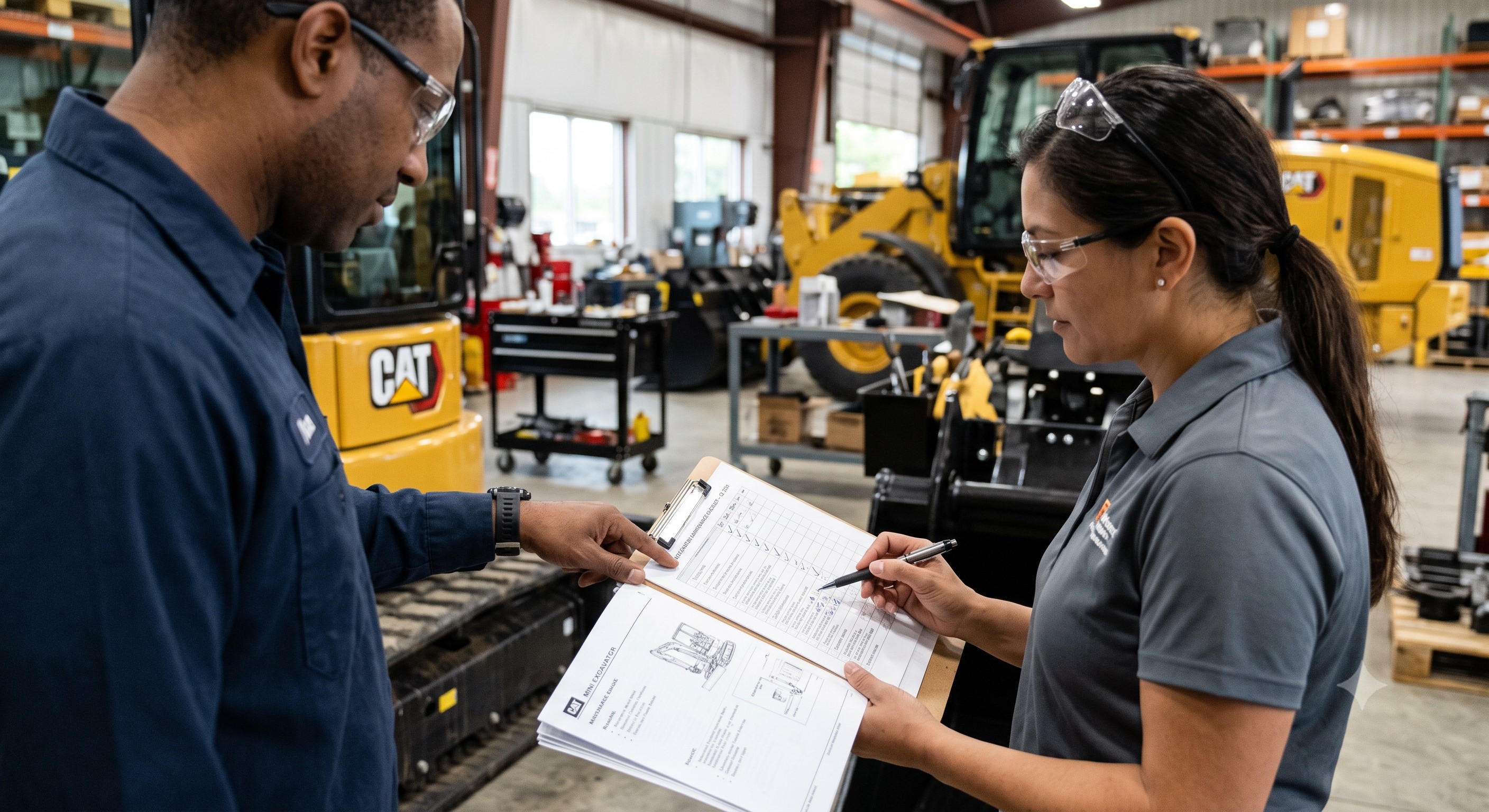
Frequently Asked Questions
Q1: What is the standard operating capacity for a mini excavator in the 1.8 to 3-ton class?
The standard operating capacity for a 1.8 to 3-ton mini excavator is typically defined by its bucket capacity, which generally ranges from 0.03 m³ to 0.06 m³, and its breakout force, which can reach up to 16.5 kN. This weight class is ideal for light civil projects and urban construction. Verify these specs match the model, such as a Kobelco SK30 or similar, to confirm the machine meets your project requirements.
Q2: How do I verify a supplier's engine emissions compliance (EPA/Euro 5) before purchase?
To verify a supplier's engine emissions compliance, request the specific Engine Declaration documents and cross-check the EPA or Euro 5 certification numbers on the plate. For US imports, confirm the relevant nonroad engine requirements with documentation like the EPA's overview of Regulations for Nonroad Diesel Engines. Avoid vague 'yes' replies and demand document IDs to ensure the machinery meets your regional legal standards.
Q3: What attachments are compatible with a standard mini excavator, and how do I confirm them?
Compatible attachments for a standard mini excavator include breakers, augers, grapples, and thumbs, and they must be matched by pin size, flow, and pressure requirements. To confirm, use a visual 'point-and-confirm' method in your specification sheet, defining the pin diameter and hydraulic flow (e.g., 25-35 L/min). Always ask for photo confirmation and use a physical spec sheet to lock in the details before the order is placed.
Q4: What is the recommended maintenance interval for engine oil and hydraulic filters on a mini excavator?
The recommended engine oil and filter change interval for a mini excavator is typically every 500 hours, while the hydraulic filter is also changed at 500 hours. A complete hydraulic fluid change is generally recommended at up to 3000 hours, though OEM specifications vary. Always consult the operator's manual for the specific model.
Q5: How often should I replace the hydraulic fluid in a mini excavator, and what grade is used?
Typically, standard hydraulic fluid should be replaced every 2,000 hours, but some high-performance fluids can last up to 5,000 hours based on the OEM spec. The most common viscosity grade used is ISO VG 46, which performs effectively across a temperature range of 14 to 104 degrees F. Verify the recommended oil viscosity grade for your specific machine model.
Q6: How can I ensure I am ordering the correct spare parts for a specific mini excavator model?
To ensure correct spare parts ordering, always cross-reference the part numbers between the manufacturer's database and supplier catalogs, and request photos of the nameplate showing serial number and model. Create a 'single source of truth' document with the model and serial number to avoid misorders. Establish separate inventory logs for different machine types to prevent costly part mismatches.
Q7: What is the best process for pre-shipment inspection when buying a mini excavator from a supplier?
The best process for pre-shipment inspection is to conduct a third-party inspection by firms like SGS or Bureau Veritas, or agree to a 'hold point' checklist with photo and video evidence. Your contract should define clear acceptance criteria such as 'no oil leakage' and 'serial number confirmation,' and you should request live video walkarounds of the actual unit. This verification reduces the risk of receiving a non-compliant machine.