

Introduction: Solving the Material Handling Bottleneck
In modern construction, agriculture, and industrial logistics, operational inefficiency often begins at the material handling stage. Moving earth, sand, gravel, or feed with oversized machinery or manual labor leads to high fuel costs, increased site congestion, and significant wear on capital equipment. The 0.3m³ bucket wheel loader has emerged as a targeted solution for these pain points, offering a balance of power and agility that maximizes productivity in space-constrained environments. This class of machine addresses the gap between manual handling and large-scale wheel loaders, providing a robust, cost-effective answer to daily loading and transport tasks.
Specifically, a modern 0.3m³ bucket wheel loader like the QG900 typically offers a rated load capacity of up to 900kg, powered by a reliable engine delivering around 38kW of power . This powertrain allows it to navigate tight job sites with a minimum turning radius of just 2850mm while maintaining the durability to perform heavy-duty starts and material shoveling . The following technical analysis provides an engineering deep dive into these machines, utilizing data-driven metrics to demonstrate their value proposition.
Core Powertrain & Structural Design
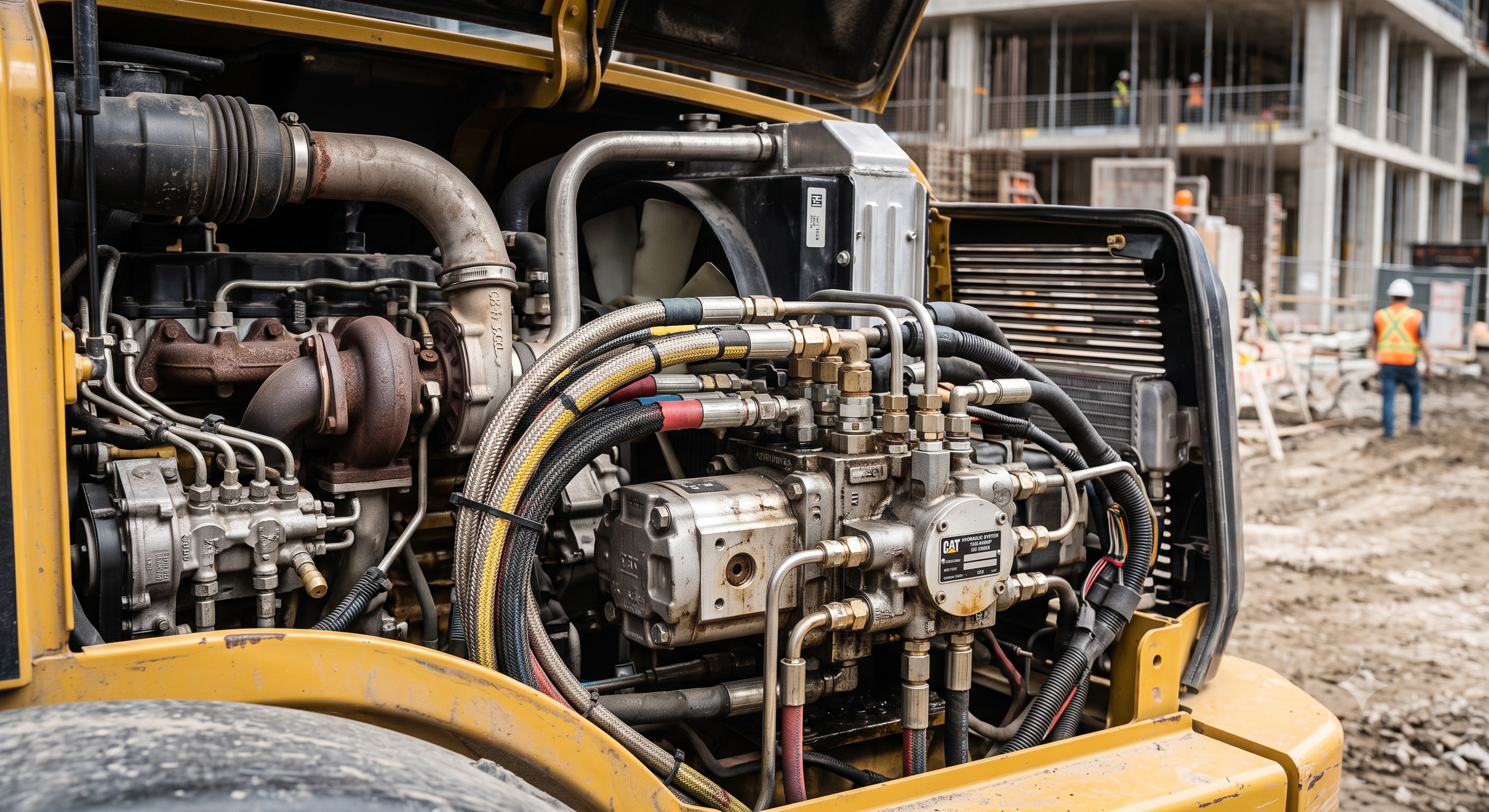
The engineering excellence of the 0.3m³ wheel loader lies in its tightly integrated powertrain and heavy-duty chassis, which are designed to deliver high performance while maintaining a compact footprint. Understanding the interplay between the engine, hydraulic system, and structural components is key to appreciating its operational efficiency.
Engine & Emissions Compliance
At the heart of this machine is a robust diesel engine, often from established manufacturers such as Quanchai or comparable global brands . The engine delivers a rated power output of approximately 38 kW at 2400 r/min, providing high torque at low speeds for effective shoveling and heavy material transport. Many modern units are designed to comply with stringent emission standards, such as EPA Tier 4 Final or EU Stage V, ensuring lower environmental impact and reduced carbon footprint without sacrificing power.
Hydraulic System Performance
The hydraulic system is the muscle of the loader. It features a main relief pressure of around 20.7 MPa . This high-pressure system enables rapid cycle times, which are critical for productivity. The hydraulic vane pump ensures consistent flow to the lifting arms and bucket, allowing for powerful breakout forces. Key performance metrics include lifting time to full height (typically under 6 seconds) and a fast total cycle time (often around 10-11 seconds), ensuring efficient repetitive loading operations.
Chassis & Durability
Built for longevity, the chassis incorporates heavy-duty steel construction. The frame utilizes high-quality structural steel (e.g., S355) to withstand high torsional stress . The drivetrain is complemented by a hydrostatic transmission (hystat) or a robust power shift system, which provides smooth acceleration and efficient power transfer to the wheels. Furthermore, the articulation joint is engineered for high durability, withstanding the heavy loads encountered in mining and earthmoving applications.
Technical Specifications
The following table provides a comprehensive specification sheet for a typical high-performance 0.3m³ wheel loader, based on data from leading manufacturers .
| Key Parameter | Technical Specification (Typical) |
|---|---|
| Engine Model | Quanchai 4B2-52M22 or equivalent |
| Rated Engine Power | 38 kW (51 hp) @ 2400 rpm |
| Operating Weight | 2100 – 2500 kg |
| Rated Bucket Capacity | 0.3 m³ (300 L) |
| Rated Load Capacity | 900 kg |
| Dump Height | 2400 mm |
| Dump Reach | 400 mm |
| Minimum Turning Radius | 2850 mm |
| Wheelbase | 1970 mm |
| Main Relief Pressure (Hydraulics) | 20.7 MPa |
| Tire Size | 750-16 |
Comparative Advantage: Total Cost of Ownership (TCO) & ROI
When evaluating equipment purchases, focusing solely on initial purchase price is a common pitfall. The 0.3m³ wheel loader demonstrates a significant financial advantage when analyzed through the lens of Total Cost of Ownership (TCO) and Return on Investment (ROI).
Fuel Efficiency and Operating Costs
Compact wheel loaders are engineered for optimal fuel efficiency. Advanced hydrostatic drivetrains, combined with features like throttle locks and auto-idle, help lower fuel costs significantly compared to larger, heavier machines . For the 0.3m³ size class, the lower operating weight (around 2100-2500 kg) directly translates to reduced fuel consumption per hour . This efficiency offers a superior cost-per-ton moved metric, particularly for high-frequency, short-haul applications.
Space and Mobility
The compact dimensions (approx. 4250mm x 1410mm) and tight turning radius (approx. 2850mm) reduce the need for large staging areas and multiple repositioning . This saves time and labor, enhancing ROI for rental companies and contractors alike.
Heavy-Duty Application Scenarios
The versatility of the 0.3m³ wheel loader allows it to excel in a diverse range of heavy-duty applications, from construction sites to manufacturing facilities. Its ability to accept a wide variety of attachments further increases its utility .
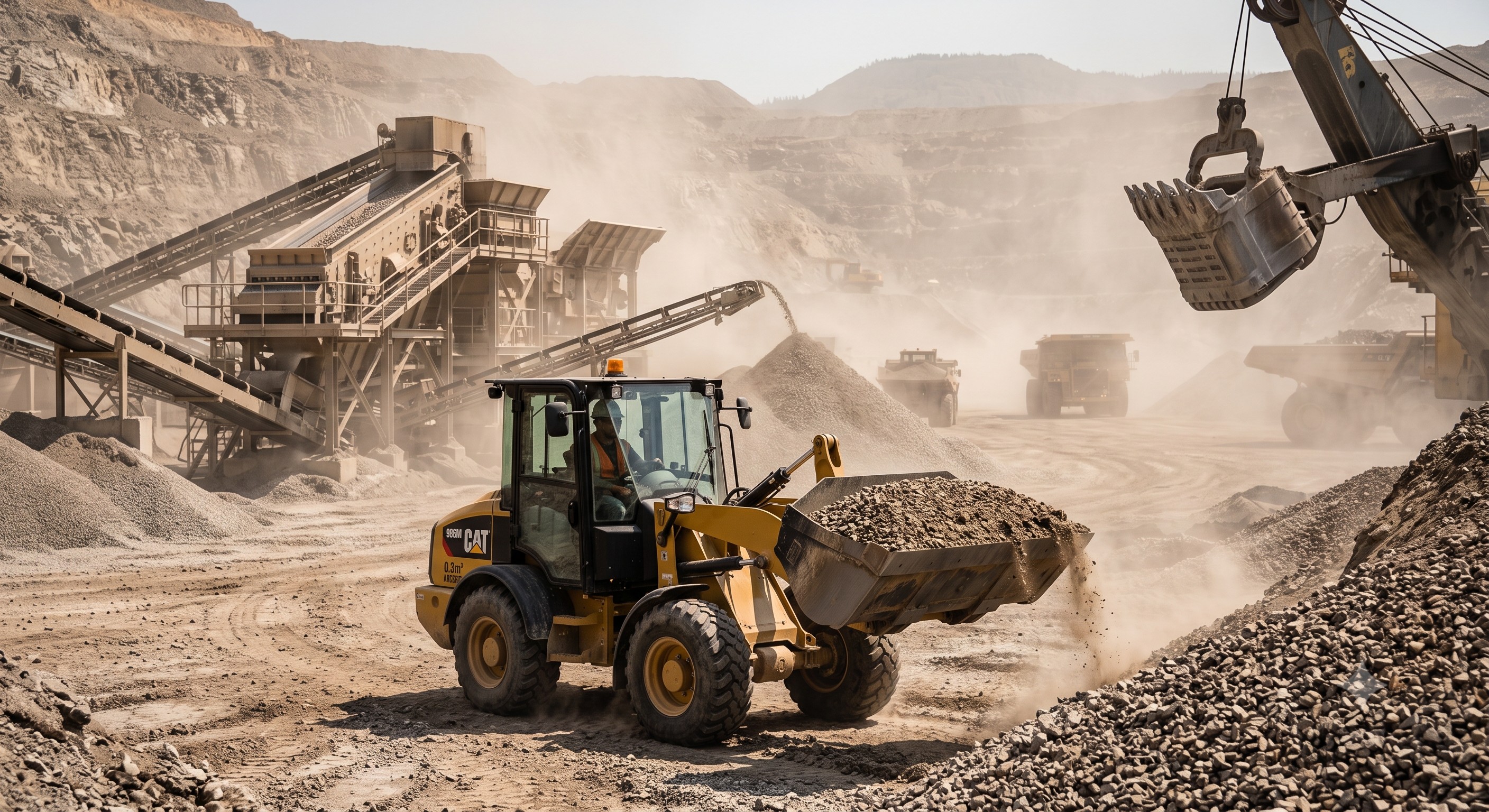
- Construction & Earthmoving: Excels at loading sand, gravel, and cement into mixers or dump trucks. Its compact size makes it ideal for urban construction sites and landscaping projects where space is at a premium .
- Agriculture & Farming: Used for moving feed, managing fertilizer, handling hay bales, and general fieldwork. Its maneuverability is beneficial for navigating barns and tight agricultural enclosures .
- Mining & Quarrying: With appropriate bucket and tire configurations, it handles light aggregate loading and material handling in smaller mining operations or processing plants .
- Waste & Recycling: Utilized for moving material in waste management facilities and recycling centers, benefiting from its Z-bar linkage for efficient bucket breakout .
Conclusion: Enhancing Industrial Productivity
The 0.3m³ bucket wheel loader is much more than a small machine; it is a strategic productivity tool. By integrating a powerful powertrain with a durable, compact design, it delivers tangible benefits in fuel efficiency, site safety, and operational speed. For operations seeking to optimize material handling workflows, reduce operational costs, and improve ROI, this class of equipment offers a compelling, data-backed solution. As technology advances, these loaders will continue to integrate smarter hydraulics and telematics, further solidifying their role as an indispensable asset in the industrial ecosystem.