

Introduction
In the high-stakes world of heavy industry, equipment downtime and inefficient material handling are the primary drivers of project delays and cost overruns. The demand for robust, high-capacity loading solutions has never been more critical, particularly in sectors like mining, large-scale construction, and port logistics. This is where the 10 ton front end loader establishes its dominance, serving as the indispensable backbone of productivity . Engineered to bridge the gap between mid-size and ultra-heavy machinery, this class of wheel loader offers a compelling balance of power and versatility. This technical analysis delves deep into the engineering, performance metrics, and economic viability of the 10-ton capacity loader, providing industry professionals with the data required for informed procurement decisions.
Core Powertrain & Structural Design
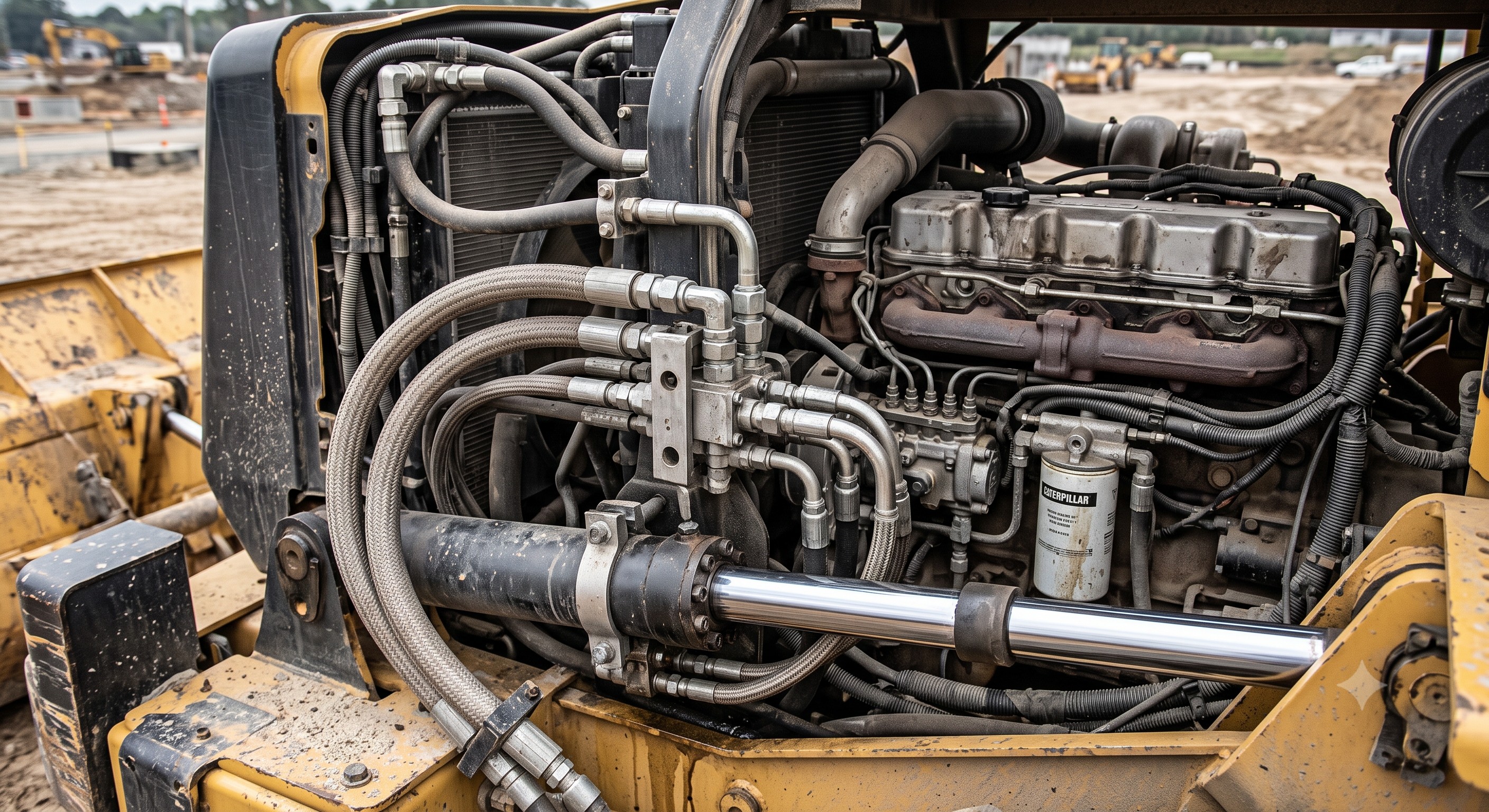
The engineering philosophy behind a modern 10-ton front end loader focuses on maximizing durability and efficiency. At the heart of these machines lies a high-torque diesel engine designed to meet stringent emission regulations, such as EPA Tier 4 / EU Stage V, ensuring both performance and environmental compliance. To handle a 10,000kg payload, the chassis must be constructed from high-strength, corrosion-resistant steel, reinforced at critical stress points to withstand torsional forces encountered in rugged terrain . The hydraulic system is the muscle of the loader, requiring pressures exceeding 20MPa to provide the necessary breakout force, often reaching around 175kN . This power is managed through a hydrostatic or powershift transmission featuring multiple forward and reverse gears for optimal speed control, with a maximum travel speed typically reaching 38 km/h . Safety is paramount; standard features include ROPS/FOPS certified cabs to protect operators from rollovers and falling objects, alongside wet disc brakes for reliable stopping power under heavy loads .
Powertrain Efficiency
- Engine Technology: Modern units utilize electronically controlled fuel injection for precise combustion and reduced particulate matter (PM) and NOx emissions.
- Hydraulic Cycle Times: Benchmark performance metrics often show a three-item cycle time (lift, dump, lower) of under 12 seconds, crucial for operational efficiency .
- Cooling Systems: Advanced radiators are specified to manage thermal loads effectively, preventing overheating in high-ambient-temperature environments common in industrial settings .
Technical Specifications
Understanding the exact technical specifications is vital for matching the machine to the job. The following table consolidates critical parameters for a standard 10-ton payload class wheel loader. Note that figures may vary between manufacturers .
| Key Parameter | Technical Specification |
|---|---|
| Rated Payload | 10,000 kg (10 Tonnes) |
| Engine Power | 199 - 261 kW |
| Operating Weight | 25,000 - 32,000 kg |
| Bucket Capacity | 4.0 - 7.0 m³ |
| Engine | Cummins / Weichai (Tier 4/Stage V) |
| Max. Breakout Force | 175±5 kN |
| Dump Height | ~3,350 mm |
| Hydraulic Cycle Time | ≤ 11.5 - 12.5 s |
| Fuel Tank Capacity | ~460 Liters |
Heavy-Duty Application Scenarios
The versatility of the 10-ton loader makes it invaluable across multiple heavy-duty industries.
Mining and Quarrying
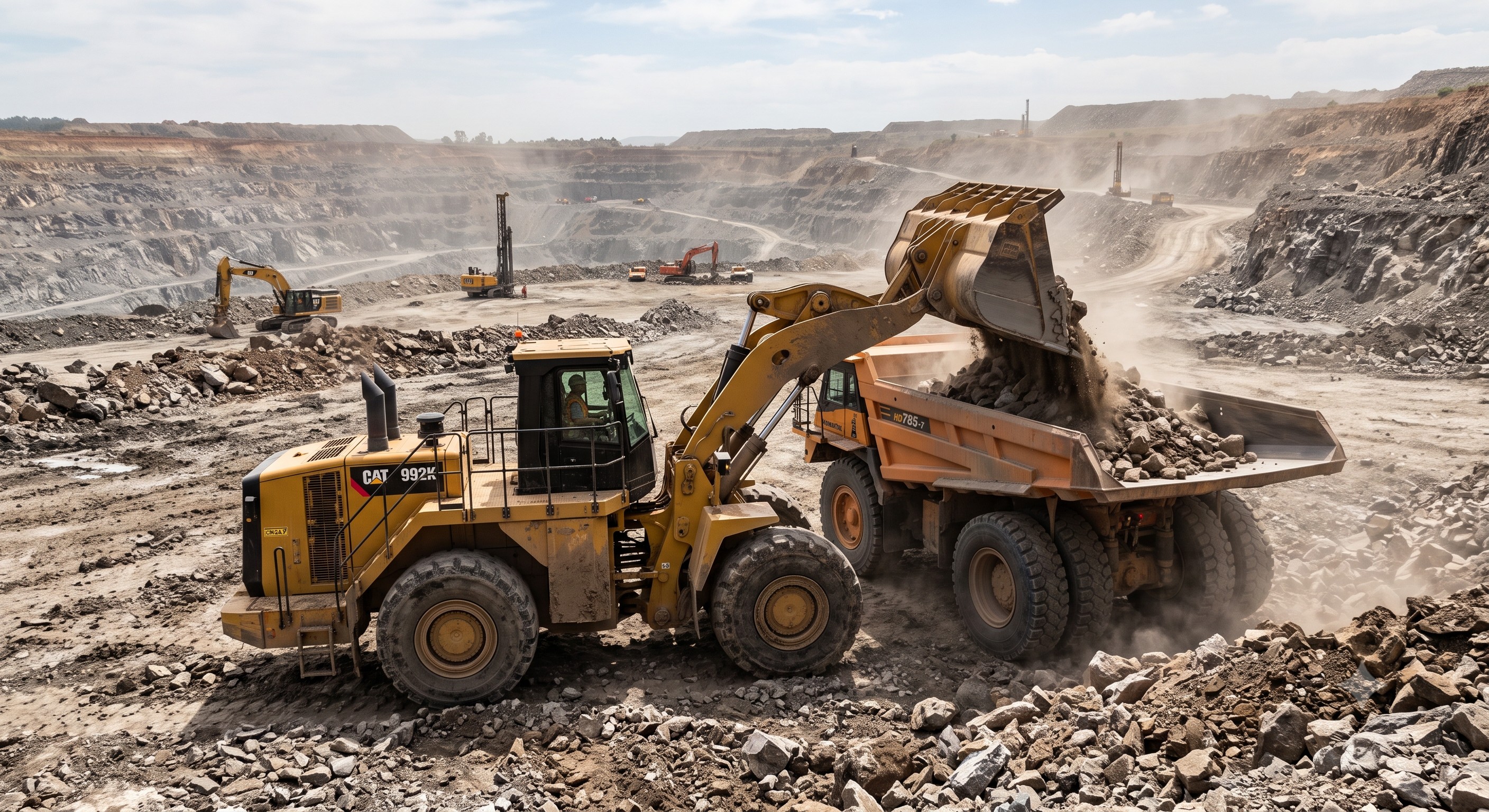
In open-pit mines and quarries, these loaders are primary tools for extracting and transporting minerals, coal, and aggregates. Their high breakout force and large bucket capacity (4.0 - 7.0 m³) ensure efficient loading of haul trucks .
Construction and Infrastructure
Large-scale earthmoving projects, road construction, and dam building rely on these machines for moving soil, gravel, and concrete materials. The loader's ability to handle heavy loads while navigating rough terrain significantly accelerates project timelines .
Port and Logistics Operations
For bulk material handling at ports, these loaders are essential for moving commodities like grain, ores, and fertilizers from stockpiles to conveyor belts or ships, ensuring a smooth flow of logistics .
Comparative Advantage: Total Cost of Ownership
While the initial front end loader price for a 10-ton machine is substantial, the Total Cost of Ownership (TCO) is the primary metric for financial planning. For a machine costing around $400,000 USD, annual depreciation and operational costs can amount to over $76,000 per year . Fuel remains a significant variable, with these loaders consuming an estimated 15-30 liters per hour depending on load and application . However, modern engine technology and efficient hydraulic systems offer a 10-15% improvement in fuel efficiency over older models. Additionally, the high resale value of these machines ensures a lower net cost of ownership over their 10-15 year lifespan. Reliable wheel loader suppliers provide comprehensive maintenance programs that reduce unscheduled downtime, protecting the bottom line .
Conclusion
The 10 ton front end loader represents the epitome of industrial efficiency and engineering durability. By mastering the balance between power, capacity, and operating costs, it provides a robust solution to the material handling challenges faced by modern heavy industries. As we look to the future, advancements in automation and telematics will further optimize the productivity of these machines, offering fleet managers unprecedented data to maximize ROI. For operations demanding a reliable, high-performance loading solution, the 10-ton wheel loader remains the benchmark for industrial productivity.