

引言:解决城市密度和物料搬运限制问题
在现代建筑和工业维护中,空间是最宝贵的资源。挖掘装载机体积过大,不适合室内拆除,而人工又缺乏拆除钢筋混凝土所需的力气。 1.5吨挖掘机这款挖掘机恰好弥补了这一空白。其典型工作重量在 1450 公斤至 1650 公斤之间,符合 ISO 6165 标准,铲斗挖掘力高达 15 千牛,同时还能通过标准的 1.1 米门道。这篇博客将深入剖析这款 1.5 吨级紧凑型挖掘机的工程设计、液压系统和全生命周期经济性,并参考相关资料。 ISO 14397-1为了稳定性和EN 474为了安全起见。
核心动力总成及结构设计
发动机和排放合规性
一台性能良好的1.5吨挖掘机的核心部件是一台液冷式三缸柴油发动机,其动力输出为…… 13–16 千瓦(17.4–21.5 马力)转速为 2200-2400 转/分。现代设备符合EPA Tier 4 Final或者欧盟第五阶段采用无需DPF再生的DOC(柴油氧化催化器)标准,最大限度地减少停机时间。燃油消耗量通常在以下范围内: 3.2 至 4.1 升/小时在高强度挖掘循环下。
液压系统架构
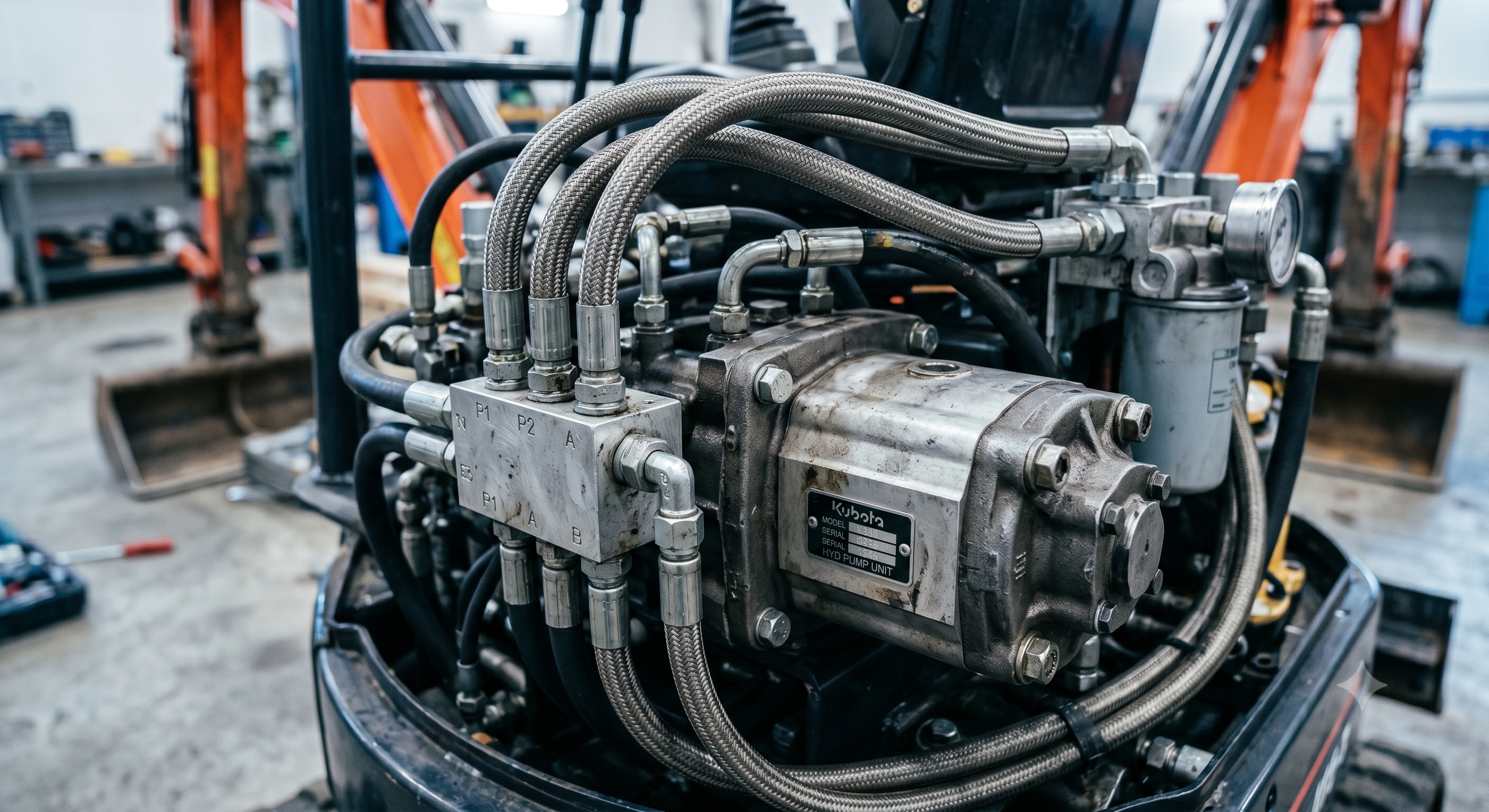
采用双齿轮泵的开式中心负载感应液压系统可提供总液压流量32–40 升/分钟在200–210 巴工作压力。辅助回路提供25 升/分钟在180巴适用于破碎机或螺旋钻。关键工程指标包括:吊臂提升力 > 8.2 kN ,手臂人群作用力 > 11 kN,并且铲斗挖掘力最大可达 15.2 kN (符合 ISO 6015 标准)
底盘和结构耐久性
由X型框架底盘构成9毫米厚高强度钢(屈服强度≥355兆帕)采用三法兰履带滚轮。标配橡胶履带(220x72x37),另可选配钢制履带以应对矿山碎屑。履带接地压力≤29 kPa (含橡胶)既能保护沥青路面,又能提供13-15度爬坡能力。 ROPS/FOPS 一级对于在坠落物体下操作人员的安全而言,顶棚(ISO 12117-2)是强制性的。
技术规格
下表列出了主要1.5吨级挖掘机OEM厂商(例如久保田U15-5、洋马ViO17、山猫E16)的基准数据。请务必参考制造商的技术数据表进行核实。
[TABLE_1]比较优势:总拥有成本和投资回报率分析
与2.5-3.0吨的机器相比,1.5吨的挖掘机具有以下优势:燃油消耗量降低 32%每立方米沟槽挖掘量,以及运输成本降低 45% (无需超限许可证即可装载于 3.5 吨拖车上)。液压系统重建平均成本1800美元至2500美元6000 小时后,其残值低于大型小型挖掘机的 4500 美元以上。4 年/3000 小时后仍有残值。 58-62%购置价格(MachineryTrader 数据)。日租车队的投资回收期: 14-18个月按每日干租价格计算。每运营小时的总拥有成本(TCO)为9.40美元至11.20美元包括燃油、滤清器和履带磨损。
重型应用场景
- 城市地下室开挖:通过 90 度旋转臂,可实现 1.9 米的垂直挖掘深度,与墙壁的间隙 ≤ 10 厘米。
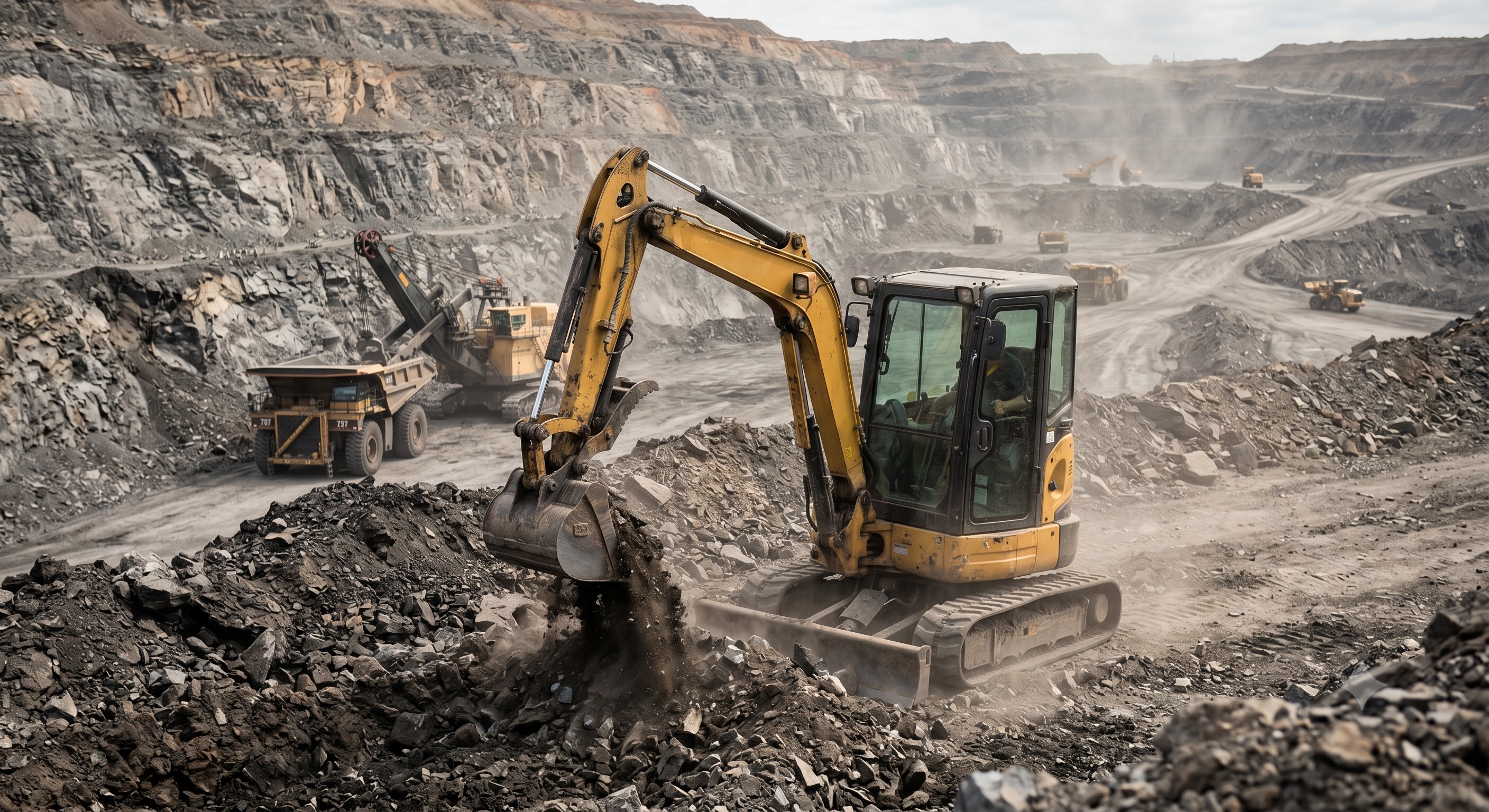
- 矿业尾矿清理:采用 40 毫米钢制履带板和 3 齿松土器,可破碎压实的铜尾矿(UCS ≤ 45 MPa)。
- 沟槽精准土方工程:光纤管道挖掘宽度最小可达 40 厘米;坡度辅助功能可保持 ±1 厘米的精度。
- 制造铸造厂维护:隔热液压管线和防爆铲斗可从感应炉中清除炉渣(环境温度≤75°C)。
结论:2025 年运营生产力乘数
1.5吨挖掘机不再仅仅是场地上的机器;它已成为数据驱动的生产力中心。借助远程信息处理系统(ISO 15143-3),可以实时获取液压效率和发动机负载信息,从而帮助车队管理人员实现目标。 99% 正常运行时间通过预测性维护。随着城市建设密度增加和排放区(超低排放区、低排放区)扩大,欧盟第五阶段/第四级决赛小型挖掘机成为唯一可行的动力土方作业解决方案。投资于负载感应液压系统和耐用橡胶履带,可在 5000 小时的使用寿命周期内将每米成本降低 27%。