

Overview
A brake chamber on a semi trailer is a key component of the air braking system. It converts compressed air pressure into mechanical movement, which operates the foundation brakes through a pushrod and related linkage. Depending on the design, a chamber may operate the service brake, the parking brake, or both.
Brake chamber condition directly affects braking performance, vehicle safety, and regulatory compliance. Fleet managers and maintenance technicians should understand chamber types, mounting compatibility, air leaks, adjustment requirements, and replacement procedures before servicing a trailer braking system.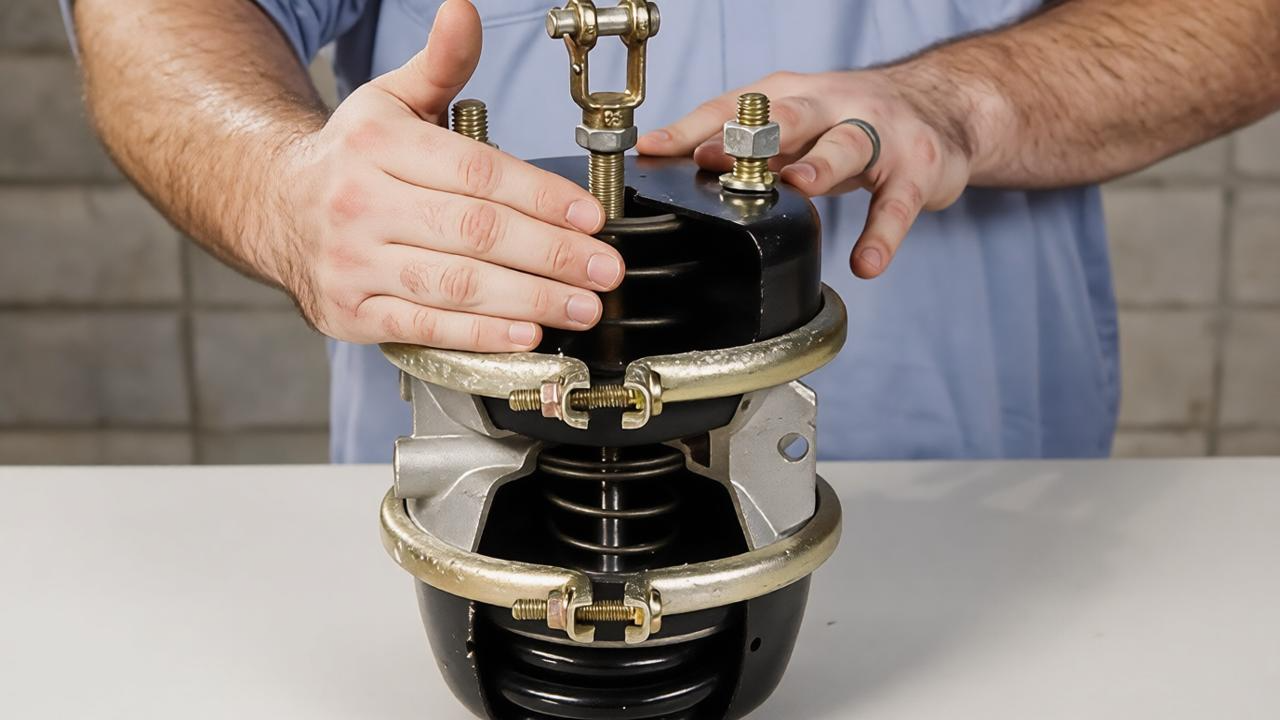
Frequently Asked Questions
Q1: What does a brake chamber do on a semi trailer?
A brake chamber converts compressed air pressure into mechanical force to apply the trailer's brakes. When the driver applies the service brakes, compressed air enters the chamber and moves a diaphragm or piston, extending the pushrod. The pushrod operates the slack adjuster and camshaft or another approved brake mechanism to apply the foundation brakes.
Q2: What are the different types of semi trailer brake chambers?
The main types are service brake chambers and spring brake chambers. A service chamber applies the brakes when compressed air enters it, while a spring brake chamber also contains a powerful mechanical spring used for parking and emergency braking functions.
Common chamber configurations include:
-
Service brake chamber: Uses air pressure to apply the service brakes.
-
Spring brake chamber: Combines service braking with a spring-operated parking brake function.
-
Combination chamber: Contains separate service and spring sections in one assembly.
Chamber size, stroke, mounting arrangement, and application must match the trailer's brake design.
Q3: How do you know if a brake chamber on a semi trailer is bad?
Common signs of a faulty brake chamber include air leaks, reduced braking performance, abnormal pushrod movement, and visible damage to the chamber housing. A damaged diaphragm or seal may allow air to escape, while corrosion or mechanical damage can interfere with proper operation. Technicians should inspect the chamber, air connections, pushrod, mounting hardware, and related brake components to identify the actual cause.
Q4: How do you choose the correct replacement brake chamber?
The correct replacement brake chamber must match the original chamber's type, size, stroke, mounting configuration, and braking application. Before ordering, verify:
-
Chamber identification and manufacturer part number
-
Service-only or spring-brake configuration
-
Size and rated stroke
-
Mounting bolt pattern and orientation
-
Pushrod length and connection requirements
-
Compatibility with the trailer's axle and foundation brake system
Do not select a chamber based only on its external appearance. Confirm compatibility with the trailer or brake-system manufacturer's specifications.
Q5: How often should semi trailer brake chambers be inspected?
Semi trailer brake chambers should be inspected during routine pre-trip checks and scheduled brake-system maintenance. Inspection frequency should follow applicable regulations, fleet procedures, and manufacturer recommendations. Technicians should look for air leaks, corrosion, loose mounting hardware, damaged hoses, pushrod problems, and signs of improper brake adjustment.
Q6: Can you repair a leaking semi trailer brake chamber?
A leaking brake chamber should be diagnosed and repaired or replaced according to the manufacturer's approved service procedure. Air leakage may originate from the diaphragm, seals, fittings, hoses, or connecting valves, so technicians should identify the exact source before replacing components. Brake chambers containing powerful spring mechanisms require special precautions; never disassemble a spring brake section unless trained and equipped to follow the manufacturer's specified procedure.
Q7: What is the difference between a brake chamber and a slack adjuster?
A brake chamber produces the mechanical force that applies the brakes, while a slack adjuster transfers that force to the brake camshaft and helps maintain the required brake adjustment. They work together but perform different functions. Excessive pushrod travel can indicate an adjustment problem, worn brake components, or another fault, so technicians should inspect the complete brake assembly rather than replacing the chamber automatically.
Q8: What maintenance helps extend semi trailer brake chamber service life?
Regular air-system inspections, correct brake adjustment, and protection against corrosion help maintain brake chamber performance. Maintenance teams should:
-
Check chamber housings and mounting brackets for corrosion or damage.
-
Inspect air hoses, fittings, and connections for leakage.
-
Verify pushrod movement and brake adjustment using approved procedures.
-
Check for contamination, moisture, and problems in the trailer air supply.
-
Replace damaged components with compatible manufacturer-approved parts.
Never weld, drill, heat, or modify a brake chamber unless the manufacturer explicitly permits the procedure. Follow the official maintenance documentation and applicable commercial vehicle brake regulations.
Conclusion
The brake chamber is an essential part of a semi trailer's compressed-air braking system. Correct chamber selection, regular inspection, and qualified maintenance help preserve braking performance and vehicle safety. Before ordering a replacement, confirm the chamber type, size, stroke, mounting arrangement, and compatibility with the trailer's original brake system.