

Overview
The search phrase “Will Smith’s semi trailer” does not identify a specific trailer manufacturer, model, or verified commercial vehicle. It may refer to a trailer associated with a person named Will Smith, a vehicle shown in a video or photograph, or a search for a particular trailer.
Before purchasing or evaluating a trailer described this way, buyers should establish its exact identity and verify its manufacturer, configuration, ownership, registration, and technical specifications. The following FAQs explain how to investigate the reference and assess a semi trailer using standard commercial vehicle inspection and procurement practices.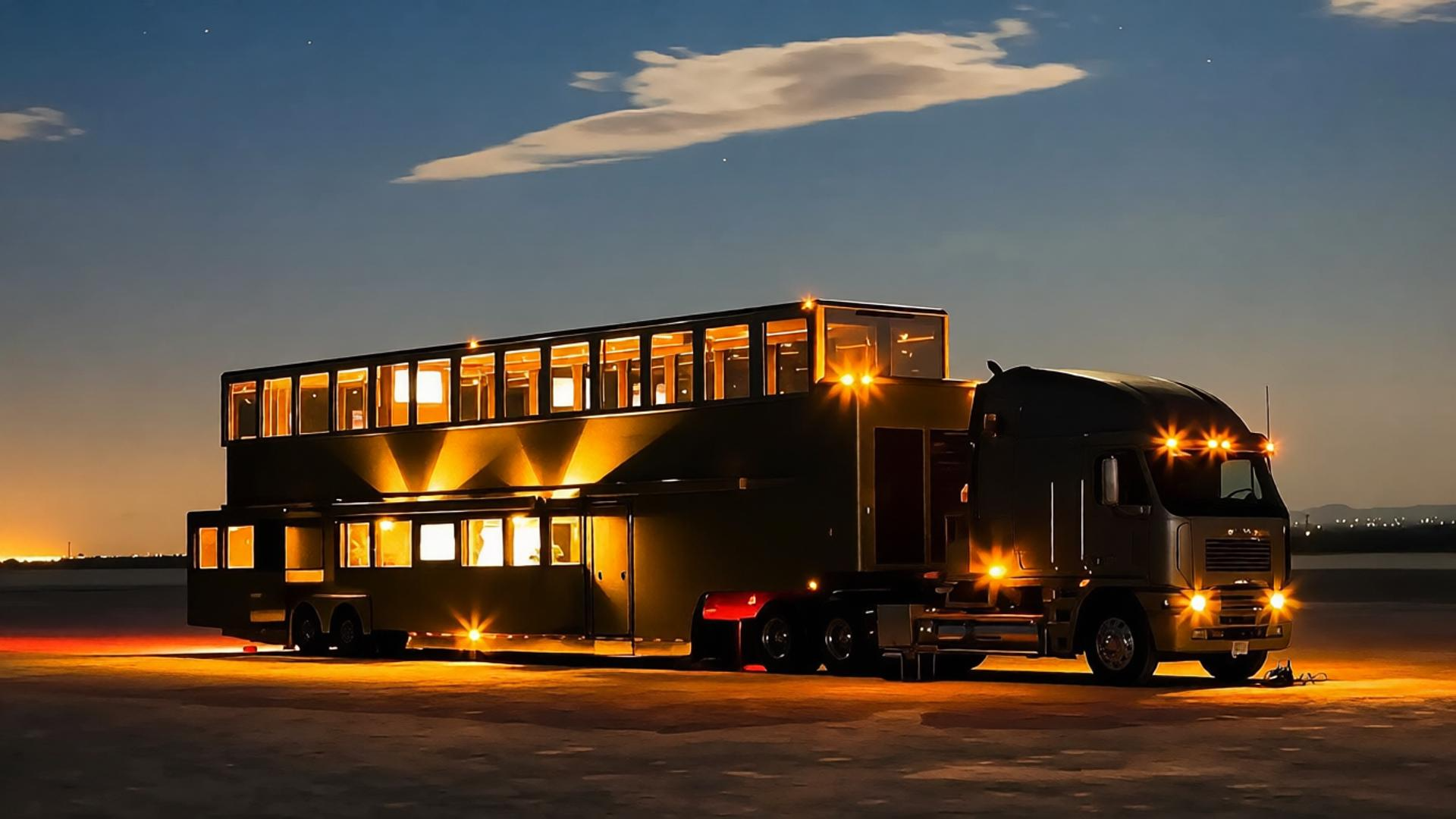
Frequently Asked Questions
Q1: What is Will Smith’s semi trailer?
“Will Smith’s semi trailer” is not a recognized semi-trailer model or established manufacturer designation. The phrase alone does not provide enough information to identify a particular vehicle or confirm who owns it. A photograph, video, location, manufacturer name, or vehicle identification number (VIN) would help establish which trailer the search refers to.
Q2: How can I identify the semi trailer associated with Will Smith?
You can identify a semi trailer by checking its manufacturer plate, VIN, registration documents, and visible design features. Useful identification details include:
-
Manufacturer and model designation
-
VIN or chassis serial number
-
Manufacturing year
-
Trailer type, such as flatbed, box van, lowboy, or tanker
-
Axle configuration and rated weight information
Match the identification plate with the registration and manufacturer documentation before treating the vehicle as positively identified.
Q3: What specifications should I check when evaluating a semi trailer?
The most important semi-trailer specifications are its dimensions, gross vehicle weight rating, axle ratings, tare weight, and permitted payload. Buyers should also check deck height, suspension type, tire size, braking system, kingpin configuration, and fifth-wheel compatibility. Actual payload must be calculated using the applicable legal weight limits and the trailer's verified ratings, not an assumed industry average.
Q4: How can I verify ownership and legal documentation?
Verify ownership through the applicable vehicle registration, title, bill of sale, and VIN records. Requirements vary by country and jurisdiction, so buyers should confirm the relevant registration, roadworthiness, inspection, and transfer requirements before making payment. For an international purchase, also check export documents, customs paperwork, and any required import approvals.
Q5: What should buyers inspect before purchasing a used semi trailer?
A used semi trailer should receive a documented mechanical and structural inspection before purchase. Pay particular attention to:
-
Chassis and frame: Check for cracks, corrosion, deformation, and previous structural repairs.
-
Axles and suspension: Inspect alignment, springs or air suspension components, hubs, and bearings.
-
Braking system: Check service brakes, air lines, valves, and ABS components where fitted.
-
Tires and wheels: Examine tread condition, uneven wear, sidewall damage, and wheel fasteners.
-
Coupling components: Inspect the kingpin and other fifth-wheel connection components.
-
Electrical system: Test lighting, wiring, and electrical connections.
A qualified commercial trailer technician should assess defects that could affect road safety or structural integrity.
Q6: Does a semi trailer require regular maintenance?
Yes, a semi trailer requires regular inspections and preventive maintenance to remain safe and roadworthy. Maintenance frequency should follow the manufacturer's instructions, applicable regulations, and the trailer's operating conditions. Daily pre-trip inspections should cover tires, lights, brakes, coupling components, suspension, and visible structural damage, while scheduled servicing should address lubrication, wear, corrosion, and component condition.
Q7: How can buyers confirm spare-parts availability and service support?
Buyers should obtain the trailer's manufacturer, model, VIN, and component identification numbers before checking spare-parts availability. Common replacement items may include brake components, air-system valves, suspension parts, wheel bearings, lighting assemblies, tires, and electrical connectors. Confirm whether parts are available locally or through the manufacturer, and request technical documentation and service support information before purchasing.
Q8: What information is needed to obtain a quotation for a similar semi trailer?
A supplier needs the trailer type, dimensions, payload requirement, axle configuration, operating market, and delivery destination to prepare an accurate quotation. Buyers should also specify the intended cargo, tractor compatibility, braking and suspension requirements, and any special equipment.
For a useful quotation, provide:
-
Trailer type: flatbed, box van, lowbed, tanker, or another configuration
-
Required length, width, and deck height
-
Target payload and axle arrangement
-
Preferred materials and suspension type
-
Required accessories and safety equipment
-
Destination country or seaport
-
Quantity and expected purchase schedule
A complete specification helps suppliers recommend a suitable configuration and provide comparable pricing.
Conclusion
The phrase “Will Smith’s semi trailer” is not sufficient to establish a specific trailer's identity, ownership, or technical configuration. Buyers should verify the vehicle through its VIN, manufacturer documentation, and registration records before making purchasing decisions. If the goal is to buy a similar commercial trailer, a clearly defined technical specification is the best starting point for accurate quotations and reliable supplier comparisons.