

Overview
Wide tires, often called wide-base or super-single tires, are designed to replace a pair of conventional dual tires on compatible commercial vehicle axles. On semi trailers, they can reduce the number of tires and wheel positions while changing how the load is distributed across the road surface.
Wide tires can offer advantages in weight, maintenance, and rolling resistance, but they are not automatically better for every trailer. Their suitability depends on axle ratings, tire load capacity, wheel and suspension compatibility, road conditions, replacement costs, and applicable regulations.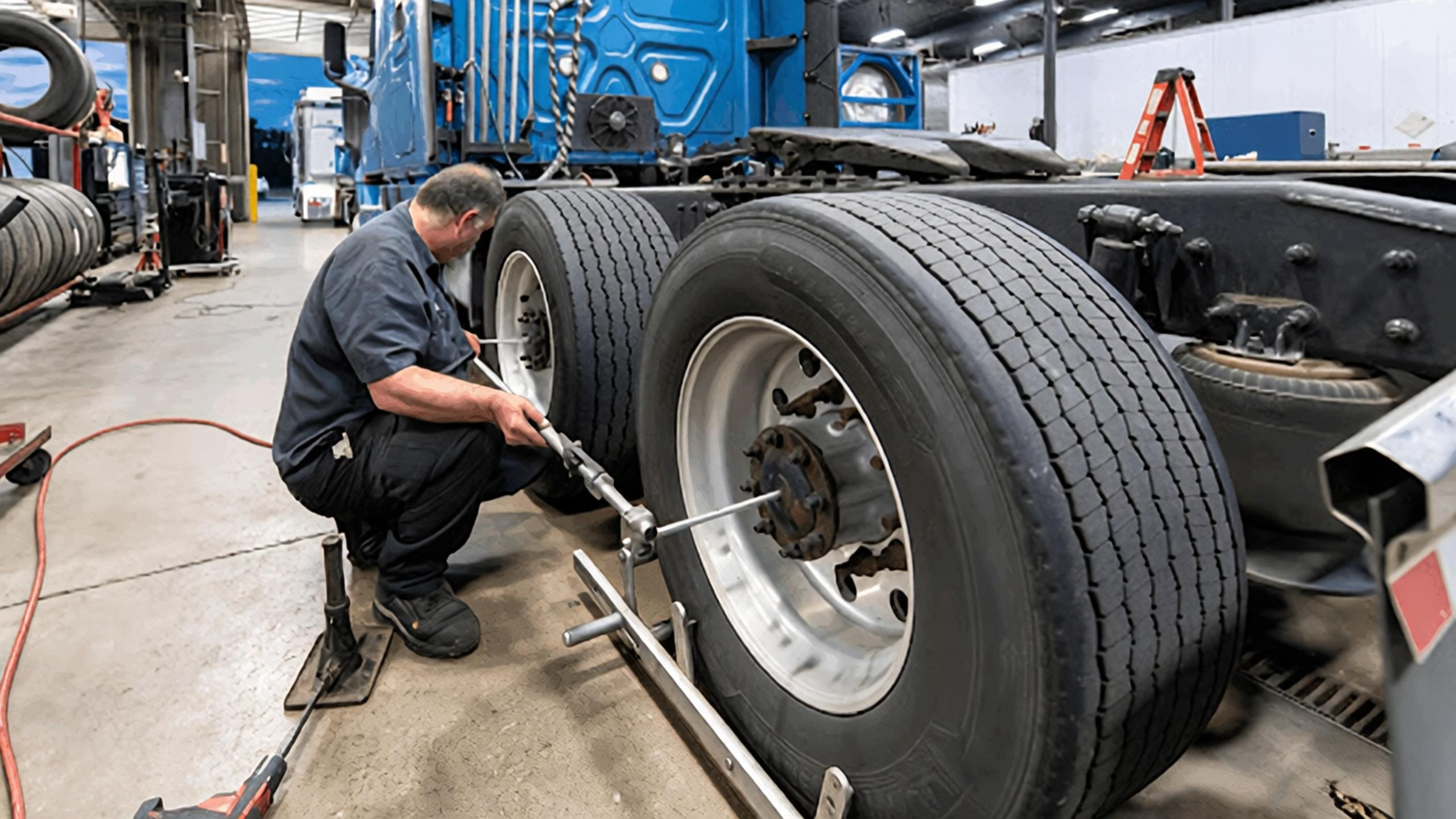
Frequently Asked Questions
Q1: Why are wide tires better on a semi trailer?
Wide tires can reduce tire count and rolling resistance while offering a lighter wheel-end configuration on compatible semi trailers. Compared with conventional dual-tire setups, wide-base tires may reduce vehicle weight, simplify tire inspections, and improve fuel efficiency under suitable operating conditions. However, actual benefits depend on tire design, inflation pressure, axle loading, vehicle configuration, and operating conditions.
Q2: Do wide-base tires reduce the weight of a semi trailer?
Yes, wide-base tires can reduce the overall tire-and-wheel assembly weight compared with some dual-tire configurations. Replacing two tires and wheels with one wide tire and wheel can reduce unsprung mass and potentially increase available payload within applicable vehicle weight limits. The actual weight difference varies by tire size, wheel material, axle design, and manufacturer specifications.
Q3: Do wide tires provide better traction and stability?
Wide tires can provide a broad contact footprint, but they do not automatically deliver better traction or stability in every condition. Grip depends on tread design, compound, tire pressure, road surface, axle loading, and weather. Fleet operators should select tires specifically designed for their application and verify that the complete tire-and-axle configuration meets the trailer manufacturer's requirements.
Q4: Are wide-base tires more fuel-efficient than dual tires?
Wide-base tires can improve fuel efficiency when their design reduces rolling resistance compared with the dual-tire configuration being replaced. The actual improvement depends on tire construction, inflation pressure, alignment, vehicle speed, load, road conditions, and driving behavior. Buyers should compare verified rolling-resistance data and real fleet operating results rather than assume a fixed fuel-saving percentage.
Q5: Are wide tires suitable for every semi trailer axle?
No, wide-base tires are suitable only for axles and trailer configurations approved for their use. Before conversion, verify axle load ratings, wheel mounting specifications, rim compatibility, suspension clearance, brake-component clearance, and tire load and speed ratings. Never replace dual tires with a single wide tire unless the axle, wheel, and trailer manufacturers confirm that the configuration is appropriate.
Q6: Are wide-base semi-trailer tires more expensive to maintain?
Wide-base tires may reduce maintenance work associated with having fewer tires, but an individual replacement tire can cost more than a conventional tire. A puncture or tire failure may also require immediate replacement rather than allowing a vehicle to continue operating on the remaining tire of a dual pair. Total maintenance cost should include purchase price, expected service life, repairability, roadside support, and replacement availability.
Q7: What maintenance do wide tires on a semi trailer require?
Wide-base tires require regular pressure checks, tread inspections, and monitoring for damage and abnormal wear. Fleet maintenance teams should inspect tires before operation and follow the tire manufacturer's recommended inflation pressure for the actual load and service conditions. They should also check wheel fasteners, alignment, valve condition, sidewall damage, and signs of overheating or irregular wear.
Q8: How should buyers choose between wide-base tires and dual tires?
Buyers should compare wide-base and dual-tire configurations based on payload requirements, road conditions, operating costs, and manufacturer-approved axle specifications. Consider the following factors:
-
Payload: Confirm that each tire and the complete axle assembly can carry the required load.
-
Road conditions: Evaluate performance on highways, construction access roads, rough surfaces, and routes with frequent tire hazards.
-
Operating costs: Compare purchase price, fuel consumption, maintenance labor, repair options, and replacement availability.
-
Compatibility: Confirm approval from the trailer, axle, wheel, and tire manufacturers.
-
Fleet support: Check whether suitable replacement tires and roadside service are available along regular routes.
The best configuration is the one that meets legal and technical requirements while delivering the most suitable total cost of ownership for the fleet.
Conclusion
Wide tires can be a practical choice for semi trailers because they may reduce tire count, assembly weight, and rolling resistance. However, their benefits must be evaluated against load capacity, road conditions, replacement costs, and compatibility. Before changing from dual tires to wide-base tires, confirm the approved configuration with the trailer and axle manufacturers and select tires that meet the required load and speed ratings.