

Overview
Wrapping a semi trailer involves applying printed or colored vinyl film to its exterior surfaces for fleet branding, advertising, or appearance updates. The total project cost depends on trailer dimensions, coverage area, vinyl quality, graphic complexity, surface preparation, and installation labor.
For fleet operators and commercial buyers, comparing quotes requires more than looking at the advertised price. This FAQ explains the main cost factors, material options, installation requirements, expected service life, and maintenance considerations when budgeting for a semi trailer wrap.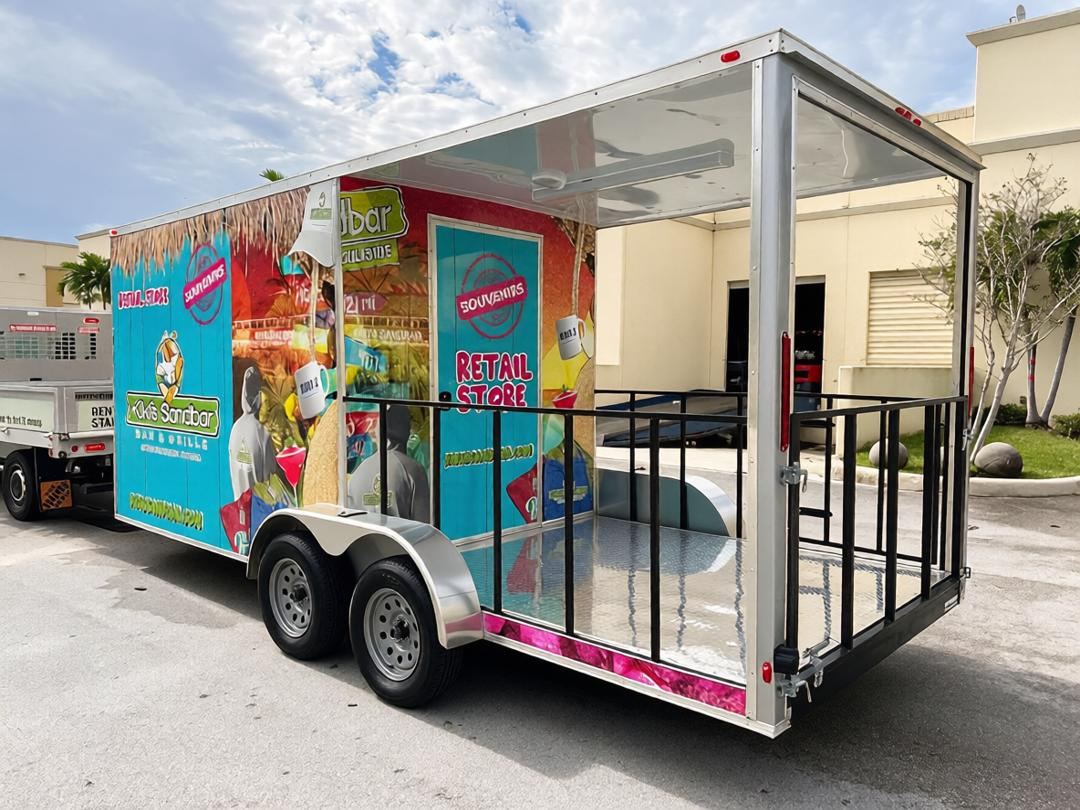
Frequently Asked Questions
Q1: How much does it cost to wrap a semi trailer?
The cost to wrap a semi trailer varies according to trailer size, coverage, material, design, and installation location. As a broad budgeting reference, a professional full wrap on a standard 53-foot box trailer may cost approximately $3,000–$8,000 or more, while complex premium designs or extensive preparation can increase the total. This is an illustrative market estimate, not a fixed industry price; obtain a current written quotation based on the actual trailer and project scope.
Q2: What factors affect the cost of wrapping a semi trailer?
The main factors are trailer dimensions, vinyl material, graphic coverage, design complexity, surface condition, and labor rates. Important cost variables include:
-
Trailer size: Longer or taller trailers require more material and installation time.
-
Coverage: A full wrap generally costs more than partial graphics or selected panels.
-
Vinyl quality: Cast films, specialty finishes, and premium printable materials can increase material costs.
-
Design: Custom artwork, multiple colors, detailed images, and frequent revisions may add design charges.
-
Preparation: Removing old graphics, cleaning surfaces, repairing damage, and removing adhesive residue can increase labor.
A detailed quotation should identify which of these items are included.
Q3: Is a full semi trailer wrap more expensive than a partial wrap?
Yes, a full semi trailer wrap normally costs more because it covers a larger surface area and requires more vinyl and installation labor. A partial wrap can focus on the trailer sides, rear doors, or selected branding areas while leaving other panels in their original finish. Fleet buyers should compare the visibility and branding objectives of each option before choosing the coverage level.
Q4: Which vinyl material is best for a semi trailer wrap?
Cast vinyl is commonly selected for professional vehicle wraps because it can conform to suitable contours and is designed for long-term exterior applications. Calendered vinyl may be appropriate for some flatter surfaces and shorter-term projects, depending on the product specification. Buyers should confirm the film manufacturer's recommendations for outdoor exposure, application temperature, expected service life, cleaning methods, and compatibility with the trailer's painted or coated surface.
Q5: How long does it take to wrap a semi trailer?
A professional semi trailer wrap may take several working days, depending on trailer size, design complexity, preparation, and installation conditions. A straightforward project on a clean, undamaged trailer may take less time than a full wrap requiring old graphics removal, surface repairs, or complex panel work. Ask the installer to provide a project schedule that includes design approval, printing, preparation, installation, and final inspection.
Q6: How long does a semi trailer vinyl wrap last?
A semi trailer wrap's service life depends on film quality, installation workmanship, sunlight exposure, weather, road conditions, and maintenance. Some professional exterior vehicle films are designed for several years of service, but the actual warranty and durability vary by product and application. Request the manufacturer's technical data and written warranty terms, including exclusions for edge lifting, fading, abrasion, and improper cleaning.
Q7: How should a wrapped semi trailer be cleaned and maintained?
A wrapped semi trailer should be cleaned with methods and products approved by the vinyl manufacturer to protect the film and its adhesive. Use suitable vehicle-washing equipment, avoid aggressive chemicals and abrasive tools, and follow recommended water-pressure and temperature limits. Inspect seams, edges, corners, and high-impact areas regularly for lifting, tearing, or damage so repairs can be arranged before the affected area becomes larger.
Q8: How can fleet operators reduce the total cost of semi trailer wrapping?
Fleet operators can reduce total project costs by standardizing trailer designs, ordering multiple wraps together, preparing artwork in advance, and keeping trailer surfaces in good condition. Before selecting an installer, compare quotations that clearly state:
-
Vinyl brand, product series, and material specification
-
Full or partial coverage and measured application area
-
Design, printing, installation, and preparation charges
-
Old graphic removal and surface repair costs
-
Warranty coverage for materials and workmanship
-
Expected project completion time and after-sales support
A lower initial price is not necessarily the lowest-cost option if the material, installation quality, or warranty coverage is inadequate.
Conclusion
The cost to wrap a semi trailer is determined by its dimensions, coverage, vinyl specification, design, surface preparation, and installation labor. For an accurate budget, provide the installer with trailer measurements, photographs, the desired coverage, and approved artwork. Comparing material specifications, workmanship warranties, and itemized quotations helps fleet operators choose a wrap that meets their branding requirements and long-term operating budget.