

Overview
A conventional semi trailer truck is a commercial transport combination consisting of a powered road tractor and a semi trailer. The trailer connects to the tractor through a fifth-wheel coupling and kingpin, allowing part of the trailer's load to be supported by the tractor while the remaining load is carried by the trailer axles.
This configuration is widely used in freight transportation because different trailer types can be connected to compatible tractors for different cargo requirements. Understanding tractor specifications, trailer capacity, coupling compatibility, braking systems, and maintenance responsibilities helps fleet operators choose a safe and cost-effective combination.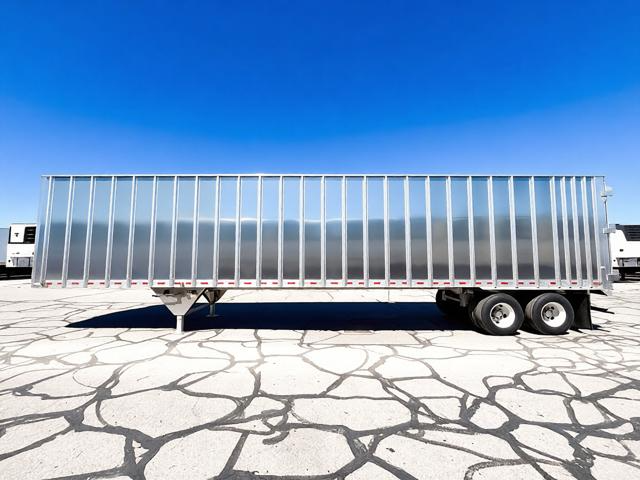
Frequently Asked Questions
Q1: What is a conventional semi trailer truck?
A conventional semi trailer truck is a road tractor connected to a semi trailer through a fifth-wheel coupling and kingpin. The tractor provides engine power, steering, and braking control, while the semi trailer carries the freight and transfers part of its weight to the tractor. Unlike a rigid truck, the trailer is a separate unit that can be detached and replaced with another compatible trailer.
Q2: What are the main components of a conventional semi trailer truck?
The main components are the tractor, fifth-wheel coupling, semi-trailer chassis, axles, suspension, wheels, and braking and electrical systems. The tractor includes the engine, transmission, cab, drive axles, and air supply for the trailer systems. The trailer includes the kingpin, landing gear, frame, cargo body or deck, lighting, and braking equipment.
Q3: What types of semi trailers can a conventional tractor pull?
A conventional tractor can pull different semi-trailer types when the coupling, weight ratings, dimensions, and braking and electrical connections are compatible. Common configurations include:
-
Flatbed trailer: For steel, timber, machinery, and other oversized or palletized cargo.
-
Dry van trailer: For enclosed transportation of general freight.
-
Refrigerated trailer: For temperature-controlled food, pharmaceutical, and other sensitive cargo.
-
Lowboy or lowbed trailer: For heavy machinery and equipment requiring a low loading height.
-
Tanker trailer: For compatible liquid or gas transportation, subject to the tanker's design and applicable regulations.
-
Dump trailer: For bulk materials such as sand, gravel, and construction waste.
The tractor's rated combination weight and the trailer's technical specifications must be checked before selecting a configuration.
Q4: How much weight can a conventional semi trailer truck carry?
The legal and technical payload of a conventional semi trailer truck depends on tractor and trailer ratings, axle configuration, tire capacity, road regulations, and cargo distribution. Payload is calculated by subtracting the operating tare weight of the complete vehicle combination from its permitted gross combination weight. Buyers should verify the manufacturer's gross vehicle and axle ratings and the applicable weight limits for every operating jurisdiction rather than relying on a universal payload figure.
Q5: How do you check tractor and semi trailer compatibility?
Tractor and semi trailer compatibility requires matching the fifth-wheel coupling, kingpin, load ratings, dimensions, and service connections. Buyers should verify:
-
Fifth wheel and kingpin: Confirm dimensional and load-rating compatibility.
-
Coupling height: Check trailer level and suitable clearance during operation.
-
Weight distribution: Ensure kingpin load and axle loads remain within permitted limits.
-
Air connections: Confirm compatibility of service and emergency brake lines.
-
Electrical connections: Check lighting and ABS electrical interfaces.
-
Tire and suspension ratings: Confirm they support the intended operating loads.
A qualified technician should inspect the complete combination before it enters service.
Q6: What maintenance does a conventional semi trailer truck require?
A conventional semi trailer truck requires regular maintenance of both the powered tractor and the semi trailer. Daily pre-trip inspections should cover tires, lights, brakes, coupling security, air lines, suspension, and visible structural damage. Scheduled maintenance should follow the separate tractor and trailer manufacturers' service manuals, including engine and transmission servicing for the tractor and inspection of wheel bearings, brakes, axles, suspension, and chassis components for the trailer.
Q7: What are the common operating costs of a conventional semi trailer truck?
The main operating costs include fuel, tires, maintenance, repairs, insurance, registration, driver expenses, and trailer-related costs. Fuel consumption is influenced by tractor engine specifications, gross combination weight, speed, terrain, traffic, aerodynamics, and driving behavior. Fleet operators should compare total cost of ownership over the expected service period rather than evaluating the purchase price of the tractor or trailer alone.
Q8: What should buyers consider when purchasing a conventional semi trailer truck?
Buyers should select a tractor and semi trailer combination based on cargo type, route conditions, legal weight limits, operating distance, and service support. Important procurement considerations include:
-
Tractor engine power, torque, transmission, and drive configuration
-
Trailer type, dimensions, tare weight, and rated payload
-
Axle configuration, suspension, tire specifications, and braking system
-
Fifth-wheel and kingpin compatibility
-
Fuel efficiency, maintenance requirements, and spare-parts availability
-
Warranty terms, technical documentation, and after-sales service
-
Local registration, emissions, and roadworthiness requirements
For international purchases, also confirm export documentation, destination-country import requirements, shipping arrangements, and the availability of local maintenance support.
Conclusion
A conventional semi trailer truck offers flexible freight transportation by combining a powered tractor with a detachable trailer. The right configuration depends on cargo requirements, payload, tractor-trailer compatibility, operating conditions, and local regulations. Before purchasing, verify the specifications of both units and evaluate their combined operating costs and long-term service requirements.