

Introduction
Semi trailers are primarily designed to transport cargo, but some specialized trailers also serve as mobile offices, workshops, accommodation units, exhibition spaces, and service facilities. In these applications, windows in a semi trailer can provide natural light, outside visibility, ventilation, and a more comfortable working or living environment.
Unlike windows in passenger vehicles, semi trailer windows must be selected according to the trailer's structure, intended use, operating environment, and security requirements. A standard dry van trailer, for example, is designed to protect cargo from weather and unauthorized access. Adding windows may require structural modifications that affect insulation, weather resistance, and cargo security.
The appropriate window configuration depends on whether the trailer is used for transporting goods, accommodating personnel, providing mobile workspace, or supporting a specialized operation. Buyers should consider glazing material, window dimensions, frame construction, installation method, sealing performance, and applicable vehicle safety requirements before making modifications.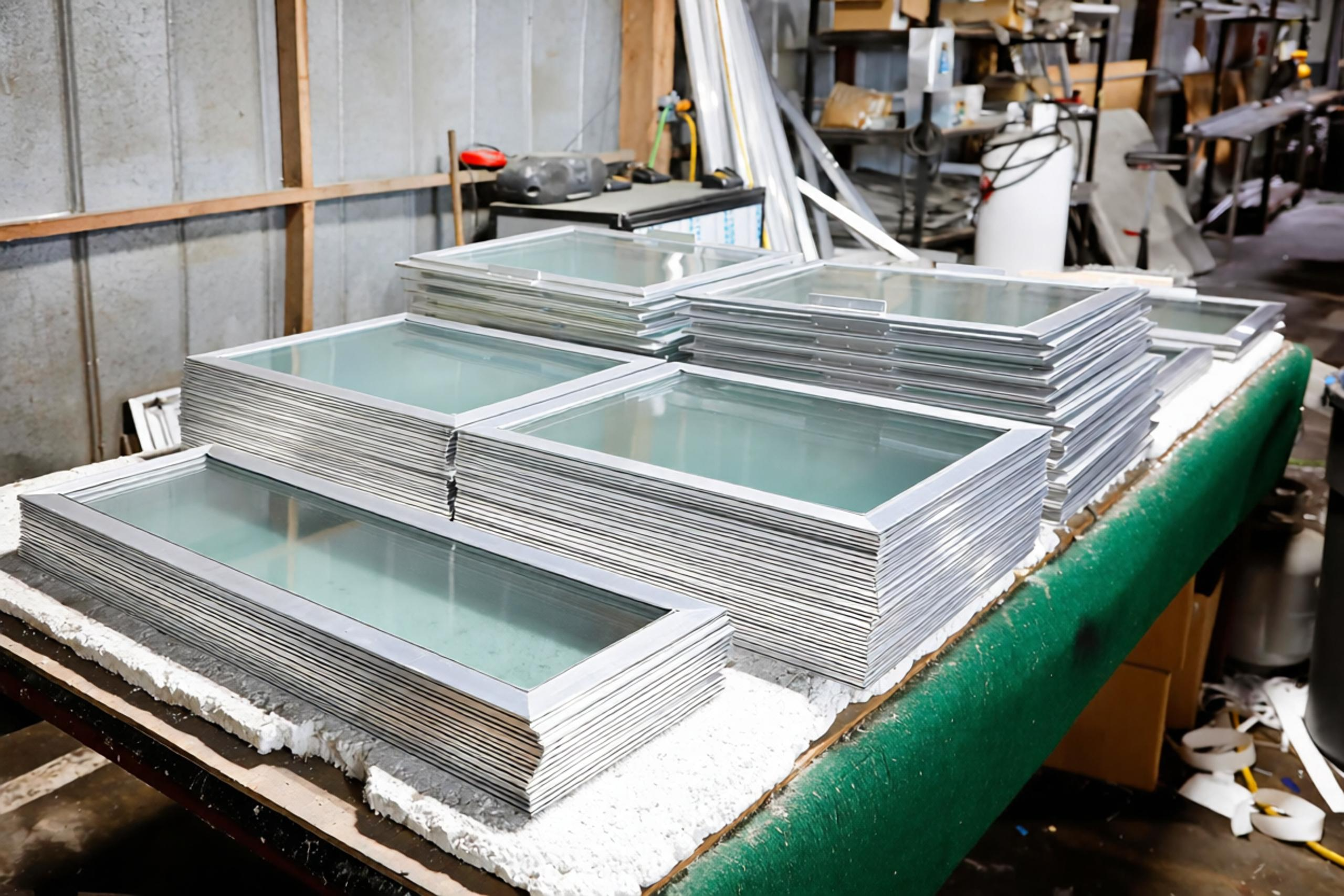
Core Window Design and Structural Integration
Window Types and Glazing Materials
Semi trailer windows are available in several configurations. The best option depends on visibility requirements, impact resistance, weight limitations, insulation needs, and the intended operating environment.
Common options include:
-
Fixed windows: Permanently closed windows that provide natural light and outside visibility without an opening mechanism. They are suitable for mobile offices, display trailers, and enclosed workspaces where ventilation is provided separately.
-
Sliding windows: Windows with one or more movable panels that slide horizontally or vertically. They allow controlled ventilation and are commonly considered for mobile workspaces and specialized trailers.
-
Awning or top-hinged windows: Windows that open outward from the bottom or side, depending on their design. They can provide ventilation while offering some protection from light rain when correctly installed.
-
Emergency or access windows: Specially designed openings intended to support emergency access or evacuation in applications where the relevant layout and regulations require them.
Glazing materials also influence performance.
Tempered glass is heat-treated to improve resistance to mechanical and thermal stress. When it breaks, it generally fragments into relatively small pieces rather than large sharp shards. Its suitability depends on the application and applicable safety requirements.
Laminated glass consists of multiple glass layers bonded by an interlayer. The interlayer helps hold broken pieces together, which can improve occupant protection and reduce the risk of fragments falling into the trailer.
Polycarbonate and acrylic glazing are lightweight alternatives used in some specialized vehicle and trailer applications. Polycarbonate generally offers high impact resistance, while acrylic is valued for optical clarity and weather resistance. Their scratch resistance, UV performance, chemical compatibility, and fire-related properties should be evaluated for the intended use.
The material should be selected according to the trailer's operating conditions rather than appearance alone.
Frame, Mounting and Structural Integration
A semi trailer's sidewalls are not necessarily designed to support aftermarket window openings. Depending on the trailer construction, the wall may contain aluminum or steel framing, composite panels, insulation, exterior sheeting, and interior lining.
Cutting an opening into a sidewall can interrupt load paths and weaken local structural support. This is particularly important in trailers with thin wall panels or composite construction.
A professional installation should consider:
-
The location of existing wall posts, cross-members, and reinforcement elements.
-
The dimensions and shape of the proposed opening.
-
The need for a reinforced frame around the window.
-
Compatibility between the window frame and the trailer wall material.
-
Protection against corrosion where metal components are cut or drilled.
-
Clearance from electrical wiring, insulation, and other internal components.
The window frame should distribute loads around the opening instead of relying only on thin exterior or interior wall panels. Installation methods vary according to the trailer design and may involve mechanical fasteners, approved bonding systems, or a combination of both.
For a refrigerated trailer, insulated box trailer, or other temperature-controlled unit, window installation requires additional attention. An opening can create a thermal bridge, meaning heat transfers more easily through the modified area than through the surrounding insulated wall. This can increase energy demand and contribute to condensation.
Sealing, Insulation and Safety
A properly installed semi trailer window must resist rain, road spray, wind pressure, vibration, and temperature changes. Poor sealing can allow water to enter the wall cavity, damage insulation, corrode metal components, and promote mold growth in enclosed spaces.
Common sealing components include:
-
Weather-resistant rubber or EPDM gaskets.
-
Compatible automotive or transportation-grade sealants.
-
Properly designed drainage channels where required.
-
Corrosion-resistant fasteners.
-
Frame designs that maintain consistent compression around the glazing.
The selected sealant must be compatible with the window frame, glazing material, and trailer wall surface. Using an unsuitable adhesive or sealant can cause bonding failure, material damage, or leakage.
Safety glazing is another important consideration. The applicable glazing requirements depend on the vehicle category, installation location, intended use, and jurisdiction. In the United States, Federal Motor Vehicle Safety Standard (FMVSS) No. 205 addresses glazing materials used in motor vehicles and motor vehicle equipment. Buyers and installers should confirm whether and how the standard applies to the specific trailer configuration and verify the required markings and documentation.
Window placement also affects security. Large windows can create additional points of access and may expose cargo to theft or damage. For cargo-carrying trailers, reinforced glazing, restricted window dimensions, protective screens, or avoiding windows in cargo areas may be appropriate.
Technical Specifications
The technical specifications of windows in a semi trailer should be evaluated as part of the complete wall assembly. Window size affects visibility and natural lighting, while glazing thickness, frame construction, and mounting design influence weight, durability, and resistance to vibration.
The following table summarizes parameters buyers should review. The values are specification categories rather than universal dimensions or performance ratings; actual requirements depend on the window product and trailer design.
|
Key Parameter |
Typical Technical Specification |
Operational Significance |
|---|---|---|
|
Window configuration |
Fixed, sliding, awning, or specialized opening type |
Determines ventilation, visibility, and operating convenience |
|
Glazing material |
Tempered glass, laminated glass, polycarbonate, or acrylic |
Influences impact behavior, weight, clarity, and durability |
|
Window dimensions |
Width and height specified for each installation |
Determines viewing area and the size of the wall opening |
|
Frame material |
Aluminum, coated steel, or compatible composite construction |
Affects corrosion resistance, weight, and mounting strength |
|
Sealing system |
EPDM gaskets and compatible weather-resistant sealants |
Helps prevent water, dust, and air infiltration |
|
Insulation performance |
Product-specific thermal transmittance and assembly performance |
Important for temperature-controlled and occupied trailers |
|
Mounting method |
Mechanical fastening, approved bonding, or combined installation |
Influences vibration resistance and long-term stability |
|
Safety compliance |
Applicable glazing standards and product markings |
Supports legal compliance and occupant protection |
Window performance should not be evaluated independently of the trailer wall. A high-quality window can still leak or fail prematurely if the opening is poorly reinforced, the frame is incompatible, or the installation does not account for trailer movement.
Comparative Advantages TCO and ROI
Adding windows to a semi trailer can improve functionality, but the commercial value depends on the trailer's intended purpose. For an ordinary cargo trailer, windows may provide limited operational benefit while introducing additional installation and security considerations. For a mobile office, service unit, or accommodation trailer, the benefits can be more substantial.
Windows Compared with a Fully Enclosed Wall
A solid trailer wall generally provides better privacy, cargo security, and continuity of insulation. It also avoids the installation work and maintenance associated with window assemblies.
Windows offer different advantages:
-
More natural light during daytime operations.
-
Improved outside visibility for occupants.
-
Potential ventilation when opening windows are used.
-
A more practical interior environment for mobile offices and workshops.
-
Better presentation for exhibition and promotional trailers.
However, windows can increase heat transfer, require periodic seal inspection, and introduce potential breakage or water-leakage risks.
The right choice depends on whether visibility and occupant comfort are more important than cargo protection, privacy, and thermal efficiency.
Total Cost of Ownership
The total cost of ownership (TCO) of a semi trailer window installation includes more than the purchase price of the window itself.
Relevant cost components include:
-
Window and frame purchase.
-
Wall cutting, reinforcement, and installation labor.
-
Sealants, fasteners, and corrosion protection.
-
Interior finishing and insulation modifications.
-
Inspection, cleaning, and periodic seal replacement.
-
Repairs following impact damage, leakage, or hardware failure.
For a refrigerated trailer, additional costs may include thermal modifications and increased refrigeration demand if the window assembly reduces insulation performance.
ROI Considerations
Return on investment depends on the additional business value created by the windows. For example, a mobile office may benefit from natural lighting and improved working conditions, potentially reducing the need for some artificial lighting during daylight hours.
A simple evaluation can compare the initial installation cost with estimated annual operating benefits:
Estimated payback period = Initial installation cost ÷ Annual net operating benefit
The calculation should use actual project costs, expected operating hours, electricity prices, maintenance expenses, and any measurable productivity benefits. It should not assume that windows automatically reduce total operating costs.
For a cargo-only trailer, the financial case may be weak unless windows serve a specific operational purpose. For a mobile workshop or accommodation trailer, their value may be justified by improved usability and occupant comfort.
Heavy Duty Application Scenarios
Windows are not standard requirements for every semi trailer. They are more relevant to specialized units in which people work, stay, inspect equipment, or interact with the surrounding environment.
Mobile Offices and Site Management Trailers
Construction projects and infrastructure sites often use mobile offices for supervisors, engineers, and administrative personnel. Windows can provide natural light, outside visibility, and a more comfortable workspace.
Useful features may include:
-
Fixed or sliding insulated windows.
-
Secure locking mechanisms.
-
Weather-resistant frames.
-
Glazing suitable for the installation location.
-
Window placement that preserves desk space and wall-mounted equipment.
Mobile Workshops and Service Trailers
Maintenance teams may use semi trailer-based workshops to transport tools, spare parts, and repair equipment. Windows can improve daylight visibility and help create a more practical work environment.
However, window placement should not interfere with tool cabinets, workbenches, electrical systems, or equipment storage. In high-risk industrial environments, glazing protection and impact resistance deserve particular attention.
Accommodation and Living Trailers
Specialized semi trailers can be converted into temporary accommodation or mobile living facilities. In these applications, windows support daylight, ventilation, privacy, and occupant comfort.
The design should consider:
-
Thermal insulation and condensation control.
-
Secure opening and locking hardware.
-
Privacy glazing, blinds, or curtains.
-
Ventilation requirements.
-
Emergency access and applicable building or vehicle requirements.
Exhibition and Promotional Trailers
Exhibition trailers may use windows to display products, create customer-facing spaces, or provide visibility between indoor and outdoor areas. Large glazed sections can improve presentation, but their frames and mounting systems must be designed for road vibration and repeated transport.
Refrigerated and Temperature-Controlled Trailers
Windows are generally less common in refrigerated semi trailers because openings can compromise thermal insulation and increase heat transfer. If a window is necessary for a specialized application, its thermal performance, frame insulation, condensation behavior, and effect on the refrigeration system should be evaluated before installation.
Selection and Maintenance Considerations
Selecting windows for a semi trailer requires coordination between the window supplier, trailer manufacturer, and installation contractor. A window that fits the opening is not necessarily suitable for the trailer's operating conditions.
How to Select the Right Semi Trailer Windows
Before purchasing windows, establish the following requirements:
-
Trailer type: Identify whether the unit is a dry van, refrigerated trailer, mobile office, workshop, accommodation unit, or another specialized design.
-
Primary purpose: Determine whether the main requirement is natural light, ventilation, visibility, occupant comfort, or product display.
-
Window dimensions: Confirm the available installation space and check for structural members behind the wall.
-
Glazing material: Compare glass and plastic glazing according to impact behavior, weight, clarity, scratch resistance, and environmental exposure.
-
Thermal performance: Evaluate insulation requirements, especially for occupied and temperature-controlled trailers.
-
Security: Consider locking systems, reinforced frames, and glazing protection where unauthorized access is a concern.
-
Regulatory compliance: Confirm the applicable vehicle glazing, modification, and inspection requirements in the destination market.
-
Supplier support: Check product documentation, replacement-part availability, warranty coverage, and installation guidance.
Installation Best Practices
Professional installation is important because trailer walls experience repeated vibration, twisting, and road-induced movement.
A suitable installation process should include:
-
Inspecting the trailer wall and identifying structural reinforcement locations.
-
Confirming the opening dimensions and window-frame compatibility.
-
Cutting the opening without unnecessarily damaging structural members.
-
Reinforcing the surrounding wall where the design requires it.
-
Treating exposed metal edges against corrosion.
-
Installing the window with compatible fasteners, bonding materials, and seals.
-
Checking drainage, sealing, and interior finishing.
-
Inspecting the completed installation for leaks, movement, and interference with other components.
Modifications to structural members should not be made without appropriate engineering review or approval from the trailer manufacturer when required.
Preventive Maintenance
Routine maintenance helps prevent water intrusion, glazing damage, and hardware failure.
Recommended inspection items include:
-
Check glazing for cracks, chips, scratches, and signs of deterioration.
-
Inspect rubber gaskets for hardening, shrinkage, or separation.
-
Examine sealant joints for gaps, peeling, or cracking.
-
Check window frames and fasteners for looseness or corrosion.
-
Test sliding tracks, hinges, handles, and locking mechanisms.
-
Remove dirt and debris from drainage channels.
-
Inspect the surrounding wall for moisture, staining, or corrosion.
Inspection frequency should reflect operating conditions. Trailers exposed to heavy rain, road salt, frequent vibration, coastal environments, or temperature extremes may require more frequent checks.
For replacement work, use compatible glazing, frames, seals, and hardware. Improvised repairs can compromise weather resistance and may affect compliance with applicable safety requirements.
Conclusion
Windows in a semi trailer can improve natural lighting, visibility, ventilation, and occupant comfort, particularly in mobile offices, workshops, accommodation units, and specialized commercial trailers. Their suitability depends on the trailer's purpose and the demands of its operating environment.
The most important selection factors are glazing material, frame strength, wall reinforcement, weather sealing, thermal performance, security, and regulatory compliance. Buyers should also consider installation quality and long-term maintenance rather than focusing only on window price and appearance.
For ordinary cargo trailers, maintaining wall integrity and cargo security may be more important than adding windows. For specialized trailers designed for people or workplace activities, a properly engineered window system can make the unit more functional and practical over its service life.