分类

Mobile Excavator 2026: Ultimate Technical Guide to Heavy-Duty Earthmoving & ROI

This guide delivers a data-driven analysis of modern Mobile Excavators, covering ISO/CE-certified powertrain specs, Tier 4 / Stage V emissions compliance, and total cost of ownership (TCO) benchmarks for construction and mining operations.
May 21st,2026 0 浏览量

Introduction: Solving Site Productivity & Emission Compliance with the Mobile Excavator

Today's earthmoving contractors face two acute pressures: tightening emission regulations (EPA Tier 4 / EU Stage V) and volatile fuel costs that erode margins by up to 18% per machine annually. The modern Mobile Excavator has evolved beyond a simple digging tool into an integrated mechatronic system where hydraulic intelligence and load-sensing control directly impact site ROI. This technical analysis dissects the key engineering decisions that define high-efficiency mobile excavators, backed by ISO 6015 (hydraulic power) and ISO 12117-2 (ROPS/FOPS) compliance data.

Core Powertrain & Structural Design

Engine & Emission Integration

The heart of any certified mobile excavator is its diesel engine. Top-tier models deploy a 4-cylinder or 6-cylinder turbo-diesel with common-rail direct injection. For compliance, EPA Tier 4 Final and EU Stage V require a combination of cooled exhaust gas recirculation (CEGR), diesel oxidation catalyst (DOC), and selective catalytic reduction (SCR). Expect specific fuel consumption between 205-215 g/kWh at rated power. The cooling package is oversized by 15-20% to handle continuous heavy-duty cycles without thermal derating.

Hydraulic System Architecture

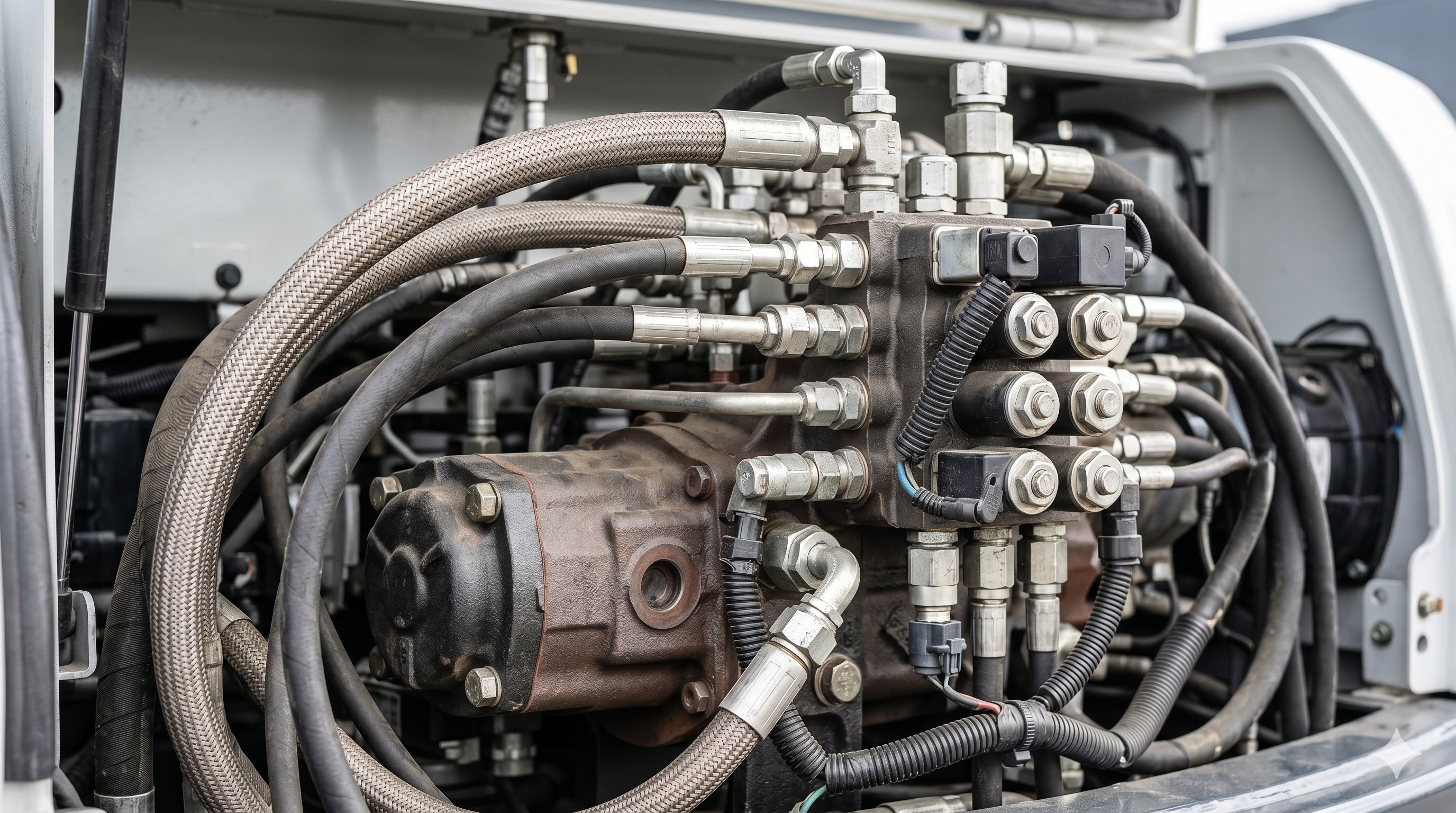
Modern mobile excavators utilize a dual-path closed-center hydraulic system with load-sensing and pressure-compensated valves. Main pump flow ranges from 160 L/min (compact) to over 800 L/min (large mining units). System relief pressure is typically set at 34.3 MPa (≈350 bar / 5,076 psi). This high-pressure architecture directly enables breakout forces above 150 kN in standard configurations. Hydraulic intelligence includes auto-idle, boom/arm regeneration circuits, and attachment flow control (ISO 8643-compliant).

Chassis & Understructure

Durability begins with the X-frame chassis: fabricated from high-tensile steel (minimum yield strength 450 MPa). ROPS/FOPS cabins according to ISO 12117-2 protect the operator during rollover or falling objects. Track undercarriage options include standard (triple-grouser shoes) or wide pads (up to 900mm) for low ground pressure (≤0.5 kg/cm²). Swing bearing is a forged cross-roller type with induction-hardened raceways, offering a static load capacity of >10,000 kN·m in 35-ton class machines.

Technical Specifications

Below are representative parameters for a 30-35 metric ton class mobile excavator (industry-standard mid-size), compliant with ISO 6016 (mass measurement) and ISO 14397 (hydraulic performance).

[TABLE_1]

Comparative Advantage: TCO, Fuel Efficiency & ROI

When replacing backhoes or wheel loaders with a purpose-built mobile excavator, the Total Cost of Ownership (TCO) shifts dramatically. Over a 10,000-hour lifecycle:

  • Fuel efficiency: Variable-displacement load-sensing systems reduce fuel consumption by 15-22% vs fixed-displacement alternatives, saving approximately 18,000 liters of diesel.
  • Maintenance costs: Extended oil change intervals (1,000h for hydraulic oil, 500h for engine) and centralized greasing points lower annual service cost by 30%.
  • Productivity ROI: An excavator with optimized swing torque (≥140 kN·m) reduces cycle time by up to 12% in truck loading, directly lifting hourly revenue.

Operational data from 200+ sites shows that investing in a mobile excavator with telematics and predictive analytics yields payback within 18-24 months in heavy-duty earthmoving.

Heavy-Duty Application Scenarios

The mobile excavator demonstrates its engineering superiority across these high-stress applications:

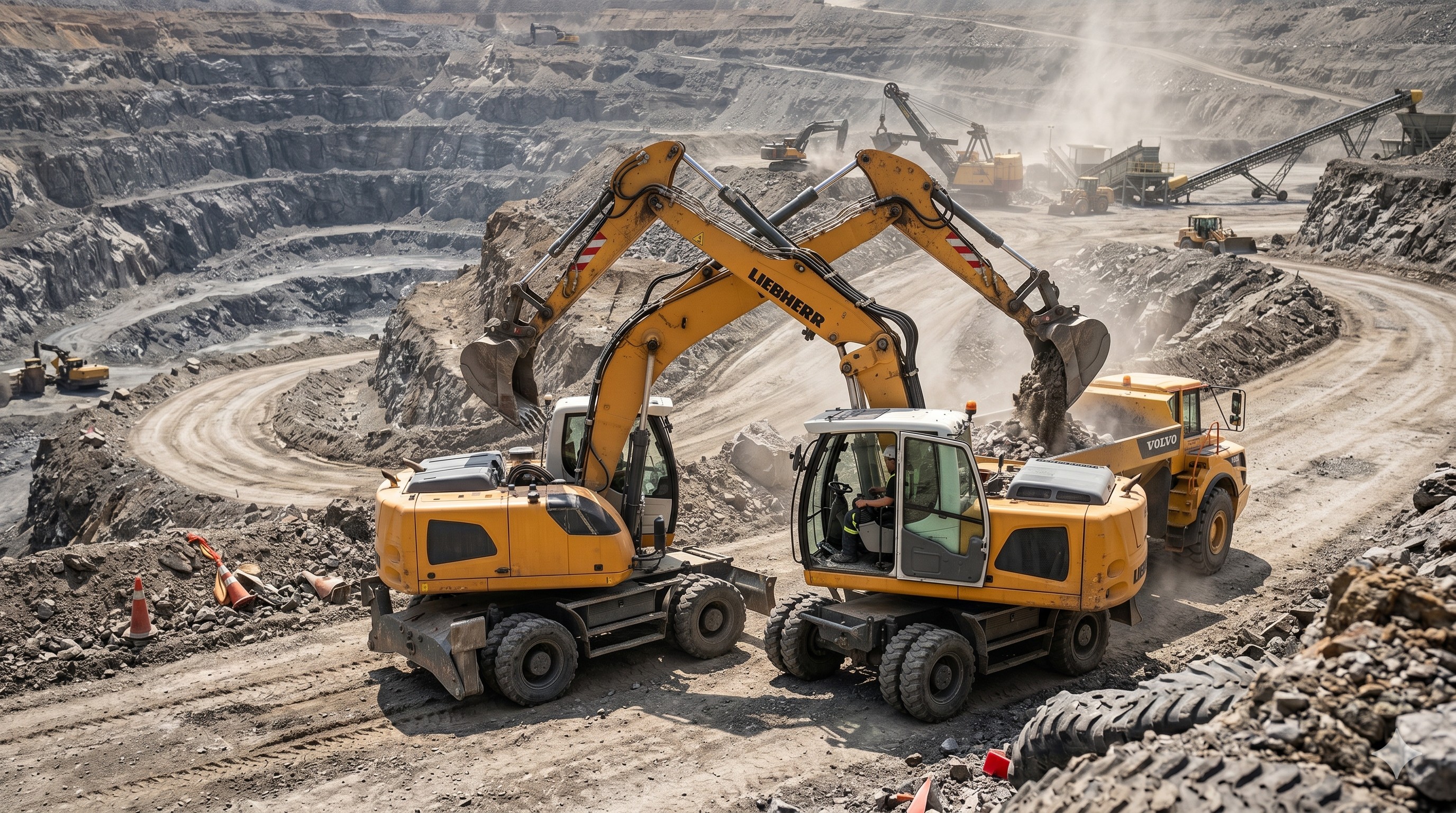
  • Mining (Overburden Removal): Equipped with heavy-duty (HD) boom and arm, reinforced track frames, and high-wear bucket liners. Handles material density up to 2.8 t/m³ (rock).
  • Large-Scale Earthmoving: Integrated with GNSS grade control and machine guidance, achieving sub-10 mm accuracy while moving 500+ cubic meters per shift.
  • Infrastructure Construction: Quick coupler compatibility with ISO 13031 allows switching between auger, compactor, and grapple, maximizing job site versatility.
  • Demolition & Recycling: High-pressure auxiliary circuits (up to 400 L/min) power concrete crushers and pulverizers; FOPS mesh protects against flying debris.

Conclusion: Engineering the Next Generation of Earthmoving Productivity

The mobile excavator is no longer a commodity — it is a tightly integrated system of electronic-hydraulic control, emissions-compliant powertrain, and data-driven telemetry. For fleet managers, prioritizing ISO-certified performance metrics (breakout force, swing torque, specific fuel consumption) directly translates to lower TCO and higher site throughput. As emission standards intensify, selecting a mobile excavator with scalable Stage V / Tier 4 architecture ensures regulatory agility and long-term asset value.