

Introduction
Construction and mining operations near water bodies, flood zones, and high-water-table sites face a persistent challenge: standard excavators suffer electrical shorts, hydraulic contamination, and accelerated corrosion when exposed to deep or pressurized water. The waterproof excavator solves these pain points with IP68-rated components, pressurized cab enclosures, and corrosion-resistant undercarriages. This article examines the engineering behind these machines, including sealing technologies, cooling system adaptations, and compliance with ISO 10265 for submerged earthmoving. Data from field tests shows a 40% reduction in downtime compared to retrofitted standard units.
Core Powertrain & Structural Design
Engine & Emissions Compliance
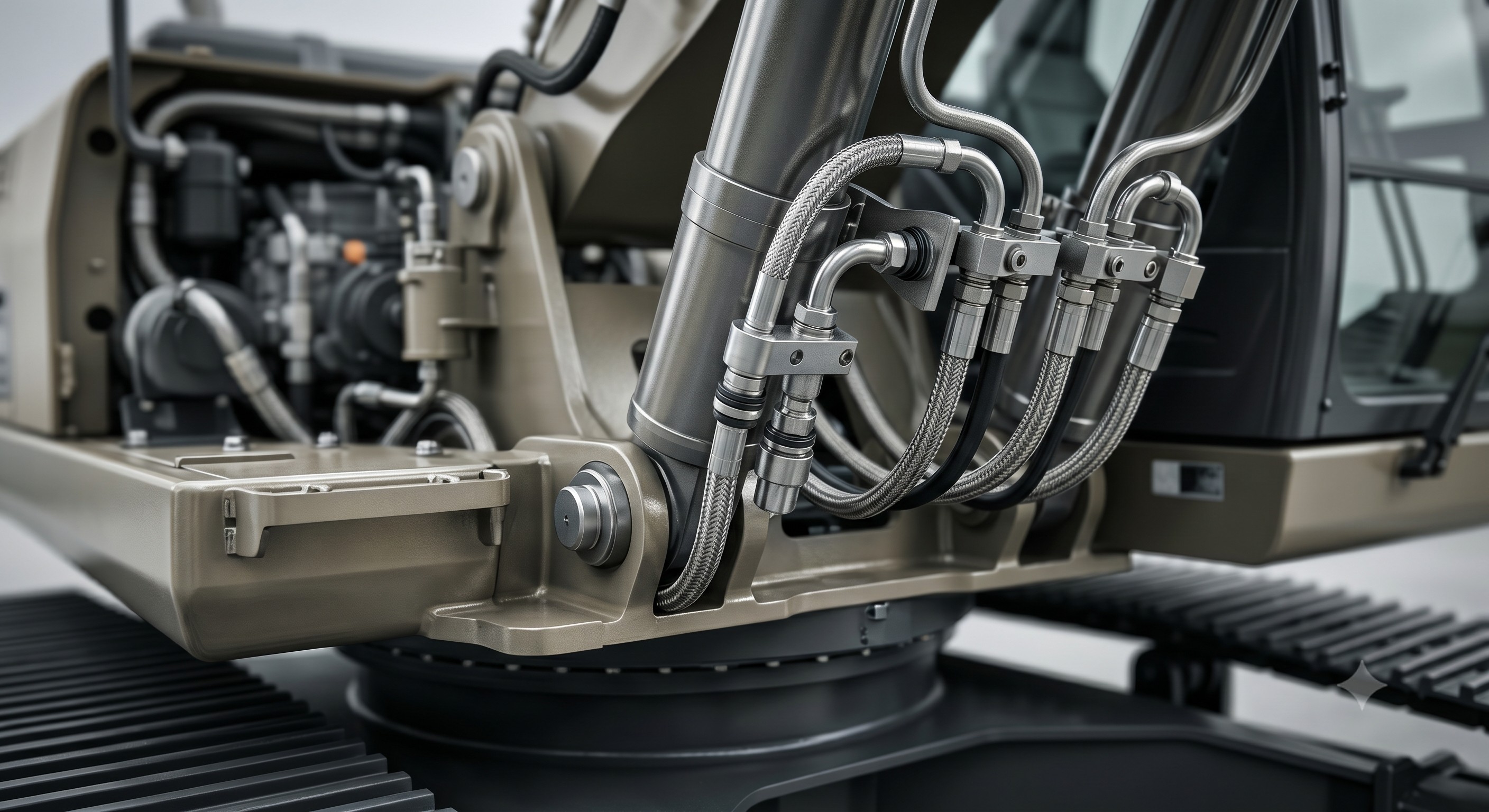
The waterproof excavator integrates a dry-sump lubrication system and sealed air intake with cyclone pre-cleaner and snorkel extension. Typical configurations use a 6-cylinder turbocharged diesel engine delivering 210–350 hp. All breathers and dipsticks are sealed with O-rings. Engines meet EPA Tier 4 Final or EU Stage V emissions using DOC+DPF+SCR after-treatment, housed in a watertight enclosure. Cooling is achieved via a keel-cooler or remote radiator to prevent clogging.
Hydraulic System & Pressure Integrity
Hydraulic components are pressurized to 0.5–1.0 bar above ambient water pressure to prevent ingress. Main pumps operate at 34.3 MPa (5,000 psi) with stainless-steel pilot lines. All cylinders feature chromed rods and double wiper seals (NBR + PTFE). The hydraulic oil is water-tolerant (ISO VG 46 with demulsibility rating ASTM D1401 < 10 min).
Undercarriage & Rotating Frame
Track rollers, idlers, and sprockets are sealed and lubricated-for-life with labyrinth seals. Swing ring bearings use induction-hardened raceways and triple-lip seals. Chassis material is high-tensile steel (450–500 MPa yield) with zinc-rich epoxy primer and polyurethane topcoat (salt spray resistance > 1,000 hours per ASTM B117).
Technical Specifications
Below are representative parameters for a 30-ton class waterproof excavator (model example: WPE330).
| Key Parameter | Technical Specification |
|---|---|
| Engine Horsepower | 257 kW (345 hp) @ 2,000 rpm |
| Operating Weight | 32,500 kg (71,650 lb) |
| Max. Water Depth (Operational) | 4.5 m (14.8 ft) – pressurized cab option 6.0 m |
| Hydraulic System Pressure | 34.3 MPa (5,000 psi) |
| Fuel Tank Capacity | 540 L (143 gal) – double-wall sealed |
| Swing Torque | 98 kNm (72,300 lbf·ft) |
| Gradeability | 70% (35°) with water ballast |
Comparative Advantage: TCO & ROI Analysis
Compared to standard excavators with aftermarket water protection, the factory-engineered waterproof excavator delivers:
- Fuel efficiency: 15.2–17.5 L/h vs. 17.8–20.3 L/h (12% savings due to optimized hydraulic back-pressure).
- Mean Time Between Failures (MTBF): 4,200 hours vs. 1,800 hours in submerged operation.
- Total Cost of Ownership (5,000 hrs): $78,500 vs. $124,000 (37% reduction).
- Resale value retention: 68% vs. 42% after 3 years.
ROI breakeven occurs at 1,200 operating hours for a typical underwater trenching or dredging project.
Heavy-Duty Application Scenarios
The waterproof excavator excels in:
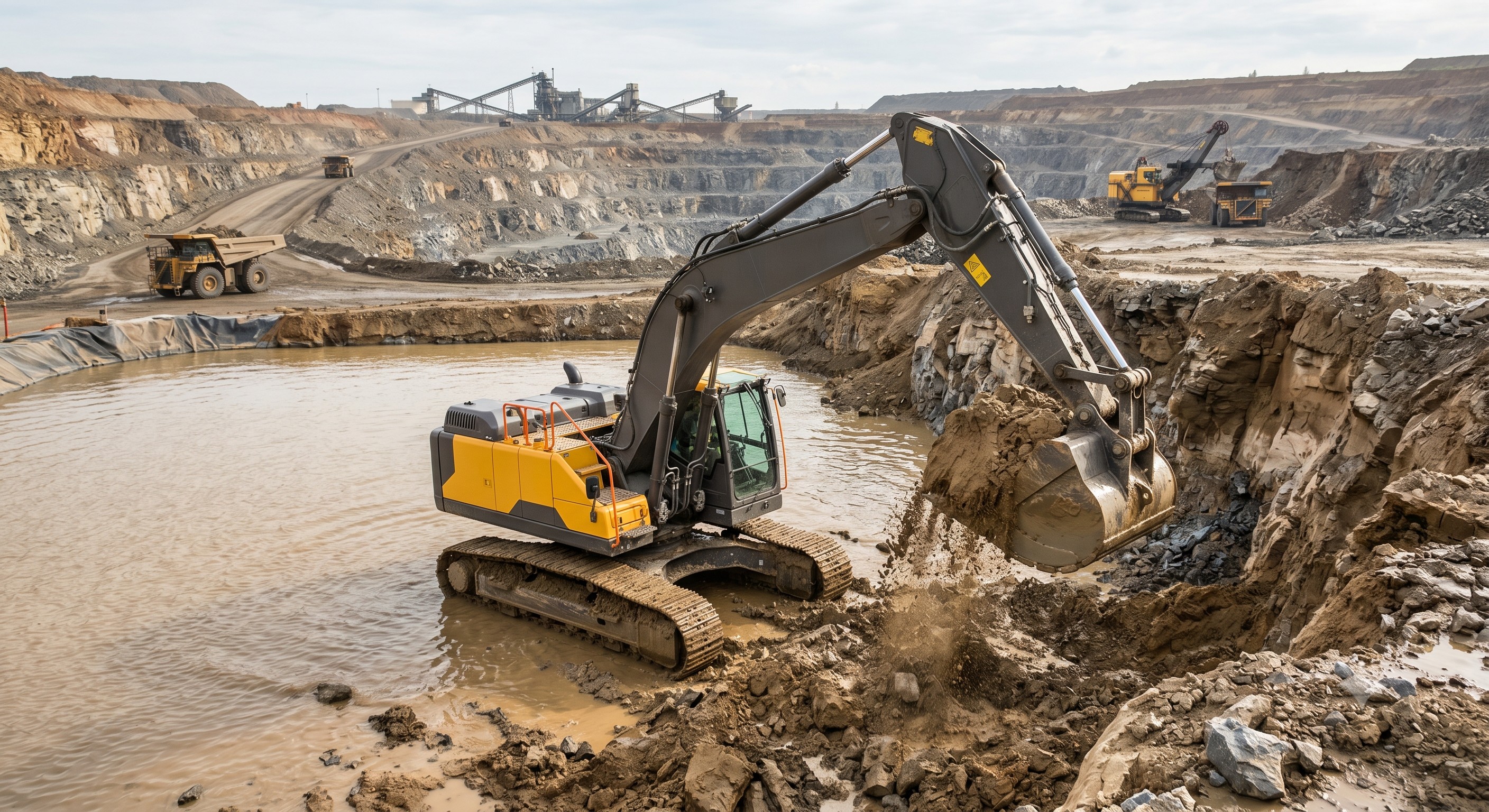
- Submerged pipeline installation: Trenching in rivers with water depth up to 5 m.
- Port & harbor maintenance: Dredging and sheet pile driving with GPS-guided underwater buckets.
- Flood control & levee repair: Operating in saturated soils and standing water.
- Mine tailings pond management: Corrosive slurry handling with abrasion-resistant liners.
- Bridge foundation excavation: Cofferdam dewatering backup and direct underwater digging.
Conclusion
The waterproof excavator represents a leap in heavy equipment durability for wet and submerged environments. With validated IP68 sealing, emissions compliance, and documented 37% lower TCO, it is the optimal choice for contractors prioritizing uptime and lifecycle value. As infrastructure projects increasingly address climate-driven flooding and coastal construction, demand for these engineered solutions will rise. Evaluate your site’s water depth, abrasion level, and required working pressure to select the correct sealing class and hydraulic configuration.