

Overview
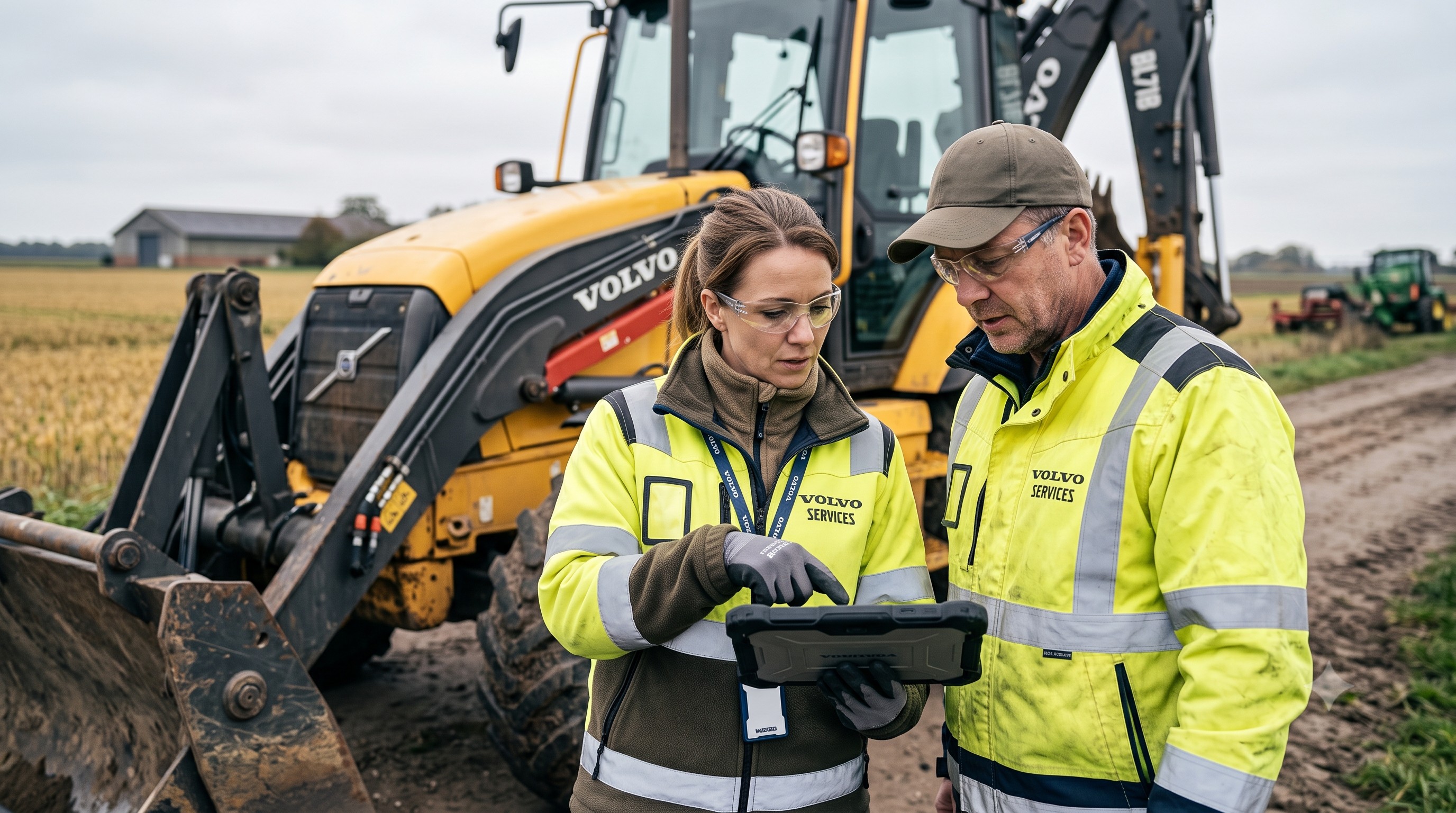
For B2B procurement and fleet managers, selecting the right equipment for agricultural trenching is a critical decision. A backhoe excavator, or backhoe loader, offers a unique combination of digging power and on-site versatility that makes it a preferred choice for many farming operations. This FAQ addresses high-intent questions regarding its maintenance, specifications, and operational benefits to aid in your fleet management decisions. The machine's ability to switch between trenching, loading, and material handling without additional equipment streamlines workflows and reduces operational costs .
Frequently Asked Questions
Q1: Why is a backhoe excavator often preferred over a dedicated excavator for agricultural trenching?
A backhoe excavator is preferred for agricultural trenching because it combines the digging ability of an excavator with the loading and material handling functions of a front-end loader in a single, highly mobile machine . This dual-purpose design allows operators to dig trenches for irrigation or drainage and immediately backfill or move materials without needing a second piece of equipment. For farms that require frequent but varied tasks like trenching, landscaping, and material moving, the backhoe's versatility and direct road mobility make it more practical and cost-effective than a larger, dedicated excavator .
Q2: What is the standard maintenance interval for a backhoe excavator?
The standard maintenance interval for a backhoe excavator involves daily checks and a structured schedule based on operating hours, typically starting with a full service every 250 hours . Daily preventive maintenance includes visual inspections, checking all fluid levels (engine oil, hydraulic fluid, coolant), and greasing all pivot points . Major service intervals include engine oil and filter changes every 250 hours, hydraulic fluid inspection or change between 500-1000 hours, and a full hydraulic system overhaul or fluid change at 2000 hours or annually . Following the manufacturer's manual and implementing a condition-based monitoring program, such as S·O·S oil analysis, is recommended to optimize these intervals and extend component life.
Q3: What is the recommended hydraulic fluid replacement interval for a backhoe excavator?
The recommended hydraulic fluid replacement interval for a backhoe excavator is every 2000 service hours or one year, though this can be extended to 4000 hours with regular S·O·S oil analysis . This analysis, performed every 500 hours, allows fleet managers to make data-driven decisions about fluid life. Using high-quality hydraulic fluids that meet OEM specifications is critical for protecting the hydraulic pump and components . For example, using a premium fluid like Cat HYDO Advanced 10 can extend the standard oil drain interval by 50% to 3000 hours .
Q4: What is the maximum digging depth and payload capacity for a backhoe excavator?
A standard backhoe excavator offers a maximum digging depth of approximately 14 to 17 feet, with a payload or operating capacity varying significantly by model size, ranging from 6,600 lbs to over 44,000 lbs . While this depth is less than what a large excavator can achieve (over 30 feet), it is perfectly suited for the depths required for most agricultural trenches, drainage channels, and utility lines . The machine's breakout force and lift capacity are sufficient for moving dirt, gravel, and other typical agricultural materials efficiently.
Q5: Is a backhoe excavator compatible with other attachments for agricultural work?
Yes, a backhoe excavator is highly compatible with a wide range of attachments, making it one of the most versatile machines in an agricultural fleet . Beyond the standard digging bucket, common attachments include augers for post-hole digging, trenchers for specialized trenching, breakers for light demolition, and pallet forks for material handling . This attachment compatibility allows a single machine to handle many different tasks throughout the agricultural calendar, from spring planting to post-harvest cleanup, maximizing its return on investment .
Q6: What are the key factors to consider for engine emissions compliance?
For engine emissions compliance, fleet managers must verify that the backhoe excavator's engine meets current EPA Tier 4 Final standards, which require the use of Ultra-Low Sulfur Diesel (ULSD) and a Diesel Particulate Filter (DPF) with a regeneration system . Specific models may also incorporate Selective Catalytic Reduction (SCR) systems that require Diesel Exhaust Fluid (DEF). It is crucial for procurement managers to check the specific model's certification and ensure operational procedures, such as idle time management and proper regeneration cycles, are in place to maintain compliance and avoid penalties. Be aware of additional state-specific regulations, such as those from the California Air Resources Board (CARB) .
Q7: What are the common spare parts that need regular replacement?
Common spare parts for a backhoe excavator that require regular replacement include hydraulic filters, engine oil filters, fuel filters, air filters, and wear items like cutting edges and bucket teeth . Maintaining an inventory of these high-consumption items is essential for minimizing downtime. Other parts that may need replacement based on usage and inspection include hydraulic hoses, seal kits, and ground engaging tools (GET) . Proactive sourcing of these genuine or OEM-equivalent spare parts is a key responsibility for fleet managers to ensure operational readiness and cost control.