

Introduction
As surface mining operations push deeper to access dwindling high-grade ore reserves, quarry operators face a critical bottleneck: the loading and haulage cycle. The constrained conditions of deep-pit mining create a rigid technological interdependence between operations on upper and lower horizons, significantly complicating the performance of traditional loading systems . In such environments, large electric rope shovels often struggle with efficiency due to limited maneuverability and high capital costs. This is where the modern mining excavator has emerged as the robust solution. However, with a myriad of options available, the question remains: which mining excavator is best for deep quarry extraction? The answer isn't simply about bucket size; it involves a complex calculation of Total Cost of Ownership (TCO), fuel efficiency, hydraulic power, and structural durability designed to withstand abrasive rock and high digging forces. This blog provides a data-driven, engineering-focused comparison to guide your next capital equipment investment.
Core Powertrain & Structural Design
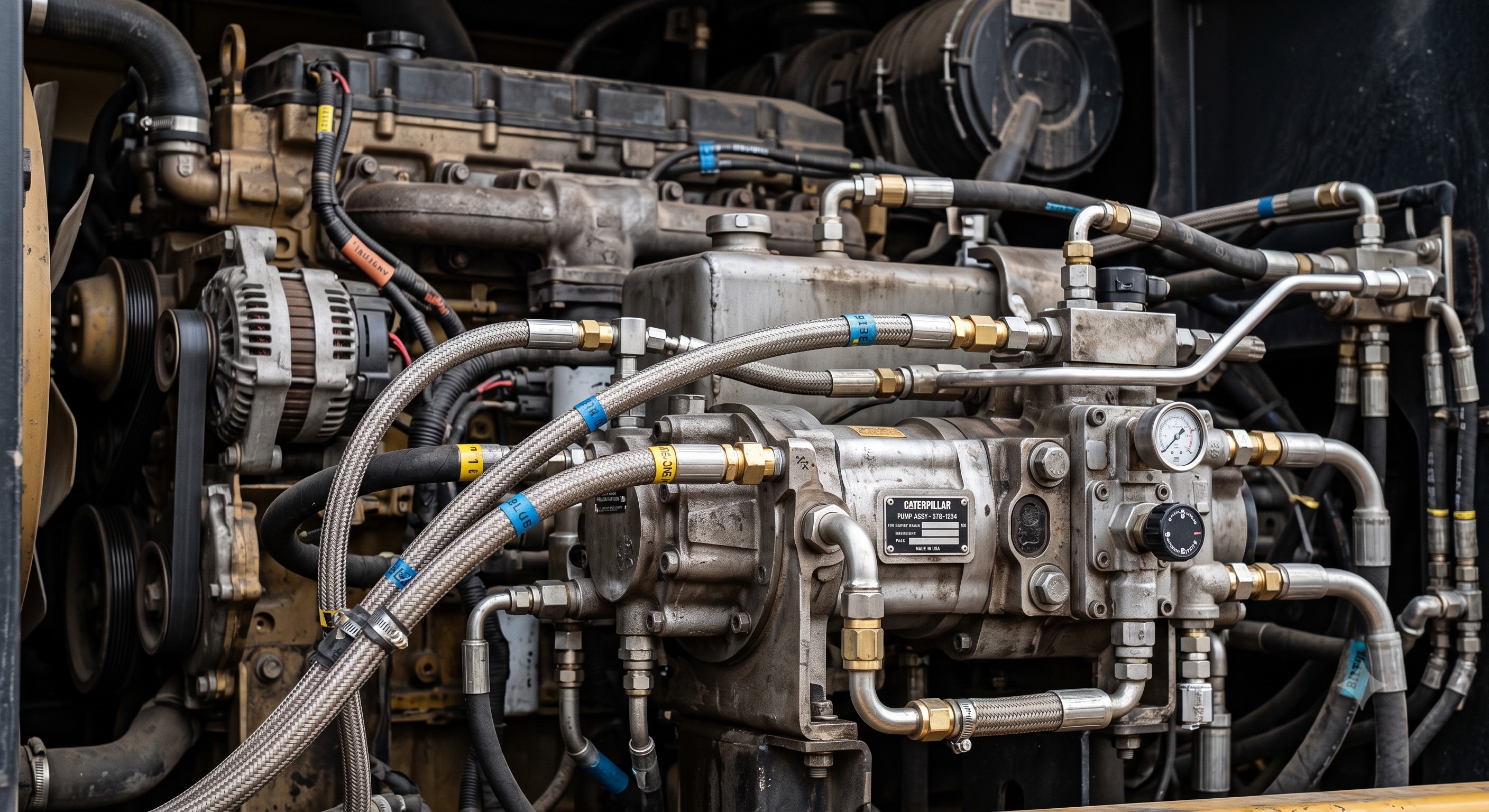
Selecting the optimal mining excavator for deep quarrying requires a deep dive into the core engineering that differentiates a standard heavy excavator from a purpose-built mining machine. The primary distinction lies in the powertrain and hydraulic system.
Engine and Emissions Compliance
Modern mining excavators are powered by high-torque diesel engines meeting stringent regulations such as EPA Tier 4 Final and EU Stage V. For instance, the Liebherr R 980 SME utilizes a Liebherr D9508 A7 SCR engine delivering 563 hp (420 kW) and meeting Tier 4 Final standards . Similarly, the Hitachi EX1200-7 boasts a formidable 567 kW (770.91 hp) engine, emphasizing electronically controlled hydraulic pumps for optimized energy use . The trend is clearly toward high power density combined with intelligent engine control systems like Liebherr's Power Efficiency system, which adjusts parameters in real-time to reduce fuel consumption while maintaining high performance .
Hydraulic System Performance
The 'muscle' of the excavator is its hydraulic system. High system pressure translates directly to breakout force and crowd force—critical for penetrating hard, fragmented rock in deep benches. The Komatsu PC600 Quarry-6, for example, operates a hydraulic system with a relief valve pressure of 4,978 psi and a flow capacity of 216.7 gallons per minute . In contrast, the DEVELON DX400LC-9 utilizes a dual main pump system generating 190 gallons per minute, enabling a staggering bucket breakout force of 59,350 lbf . For deep quarry extraction, where operators face high abrasion and large blocks, the kinematic design of the backhoe is crucial. Research indicates that backhoe configurations may have 20-30% lower crowding force compared to front-shovel configurations of similar capacity, influencing the choice based on specific rock fragmentation quality .
Chassis and Durability
Durability is paramount. The undercarriage, boom, and arm must withstand severe impact and abrasive wear. Reinforced structures are a hallmark of mining-spec machines. The Hitachi ZX870LCH-5G features an H-boom and H-arm with thicker plates for added durability in tough mine sites . Similarly, for abrasive rock applications, protective plates on the underside of the boom and stick are essential, as seen on the Liebherr R 992 configured for hard rock quarrying .
Technical Specifications
To provide a direct comparison, we have compiled key technical specifications for some of the leading mining excavator models suitable for deep quarry extraction. These metrics are essential for initial screening and fleet planning.
| Model | Engine Power | Operating Weight | Bucket Capacity | Max Digging Depth | Key Feature |
|---|---|---|---|---|---|
| Liebherr R 992 | 659 hp (491 kW) | 94 Tonnes | 6.2 m³ | 36 ft | Liebherr Power Efficiency, Bucket Fill Assist |
| Hitachi EX1200-7 | 770.91 hp (567 kW) | 117 Tonnes | 7.0 m³ | 9,260 mm | Electronically controlled hydraulic pumps |
| Hitachi ZX870LCH-5G | 489.46 hp (360 kW) | 84.8 Tonnes | 4.3 m³ | 8,870 mm | HIOS IIIB hydraulic system, 9% more swing torque |
| Komatsu PC950-11 | ~650 hp (est.) | ~95 Tonnes (est.) | N/A | N/A | Up to 40% less fuel, 48% more productivity |
Comparative Advantage: TCO and ROI Analysis
While the initial purchase price is significant, the Total Cost of Ownership (TCO) over a 7-10 year operational life dictates the true value. Fuel consumption often accounts for up to 40% of operating costs for a 100-tonne excavator .
Fuel Efficiency as a Game Changer
Recent advancements have focused heavily on reducing fuel burn. The Komatsu PC950-11 delivers up to 48% greater productivity while using up to 40% less fuel than its predecessor, drastically lowering cost per tonne . Liebherr's R 9100 G8 (100-tonne class) reportedly achieves a 20% reduction in fuel consumption compared to the previous generation, enabling fuel savings of up to 100,000 litres annually . For a 32-tonne class machine, the Hyundai HX320 utilizes a fully electric hydraulic system to save an estimated USD 4,500 annually based on 1,500 operating hours .
Operational Efficiency and Availability
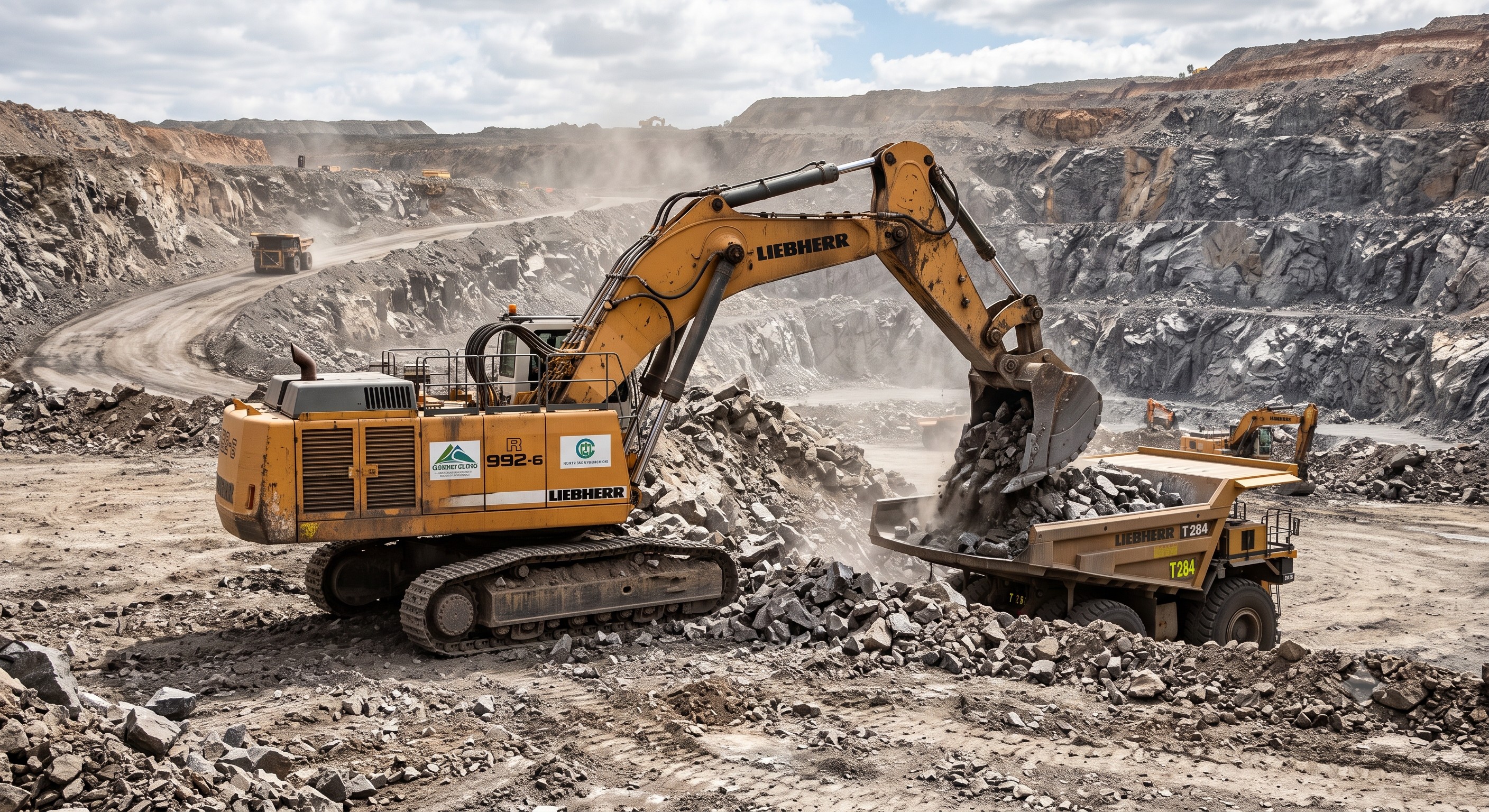
Beyond fuel, high availability is critical. The R 9100 G8 demonstrated 92% availability during field testing in Indonesia, operating over 400 hours per month . This reliability translates directly to higher annual production tonnage. Furthermore, Bucket Fill Assist systems, like those on the Liebherr R 992, improve bucket filling rates and shorten cycle times, reducing the time spent loading trucks . Matching the excavator bucket to truck size is also crucial; the R 992 fills a 40-tonne articulated dump truck in just three passes, optimizing the overall loading cycle .
Heavy-Duty Application Scenarios
The choice of mining excavator often comes down to the specific application scenario and the geomechanical conditions of the site.
Hard Rock Quarrying
In hard rock quarries with abrasive material and large blocks, robust machines like the Liebherr R 992 (94-tonne) are preferred. Designed for challenging environments, it handles heavy material densities of 2.2 t/m3 with ease .
Deep Pit Extraction
For deep pits where bench height is a constraint, reach and digging depth are paramount. The Hitachi EX1200-7, with a maximum digging depth of 9,260 mm, is well-suited for deep extraction . Hydraulic excavators are often favored in deep-pit zones where large electric rope shovels cannot be utilized efficiently due to limited working space and sharp declines in productivity .
Mass Earthmoving
For large-scale bulk earthmoving where high production rates are the sole metric, machines like the DEVELON DX400LC-9 offer high breakout force and fast cycle times, moving enormous volumes of material .
Selective Mining
In scenarios requiring selective digging and working on moderate benches with poor floor conditions, hydraulic excavators offer better maneuverability than wheel loaders . They allow operators to work with multiple truck sizes and maintain productivity in tight loading areas.
Conclusion
Determining which mining excavator is best for deep quarry extraction is not a one-size-fits-all decision. It requires balancing raw power, structural integrity, and cutting-edge efficiency technologies against the specific geomechanical conditions and production targets of the mine. For ultra-hard rock applications requiring extreme breakout force and durability, the Liebherr R 992 stands out as a powerhouse. For maximizing productivity and minimizing fuel costs in large-scale operations, the Komatsu PC950-11 offers a compelling efficiency proposition. For deep-pit scenarios demanding long reach and high swing torque, the Hitachi EX1200-7 is a formidable competitor. Ultimately, the best choice involves a thorough TCO analysis, factoring in fuel efficiency, maintenance schedules, and the integration of intelligent assistance systems that enhance operator performance and site safety. As the industry moves toward sustainable, autonomous operations, these heavy-duty machines will continue to evolve, setting new benchmarks for industrial productivity.