登录
或
注册
首页
博客
常见问题
文档下载
供应商
语言
语言
English
Español
عربي
简体中文
产品类别
重工机械
商用车辆
专用设备
设备配件
工程机械
挖掘机
装载机
推土机
压路机
平地机
摊铺机
成型机
搬运设备
辅助设备
反铲装载机
特种起重机
激光整平机
小型挖掘机
汽车起重机
混凝土泵车
履带运输车
高空作业平台
液压破拆机器人
叉车
矿山机械
钻机
铲运机
采煤机
掘进机
扒渣机
振动筛
制砂机
球磨机
浮选机
磁选机
分级机
浓缩机
破碎台车
单轨机车
露天采矿机
颚式破碎机
圆锥破碎机
矿用自卸车
刮板输送机
带式输送机
反击式破碎机
便携式救生舱
矿用支护设备
二氧化碳压裂设备
二手机械
二手挖掘机
二手装载机
二手推土机
二手压路机
二手平地机
二手摊铺机
二手汽车起重机
二手混凝土泵车
二手履带运输车
二手高空作业平台
二手沟槽管道成型机
二手叉车
二手木材破碎机
二手木材削皮机
牵引车 & 货车
牵引车
冷藏车
自卸车
轻型货车
中型货车
重型货车
厢式货车
罐式运输车
专用作业车辆
随车吊
清障车
洒水车
消防车
环卫车
混凝土搅拌车
半挂车
轿运车
平板半挂车
栏板半挂车
厢式半挂车
罐式半挂车
冷藏半挂车
自卸半挂车
清障半挂车
侧帘半挂车
仓栅式半挂车
低平板半挂车
集装箱半挂车
随车吊半挂车
牲畜运输半挂车
二手牵引车 & 货车
二手牵引车
二手冷藏车
二手自卸车
二手轻型货车
二手中型货车
二手重型货车
二手厢式货车
二手罐式运输车
二手专用作业车辆
二手随车吊
二手清障车
二手洒水车
二手消防车
二手环卫车
二手混凝土搅拌车
二手半挂车
二手轿运车
二手平板半挂车
二手栏板半挂车
二手厢式半挂车
二手罐式半挂车
二手冷藏半挂车
二手自卸半挂车
二手清障半挂车
二手侧帘半挂车
二手仓栅式半挂车
二手低平板半挂车
二手集装箱半挂车
二手随车吊半挂车
二手牲畜运输半挂车
农业机械
收割机
拖拉机
割草机
培土机
挖沟机
微耕机
插秧机
播种机
旋耕机
耕地犁
起垄机
碾米机
割晒机
撒料机
打包机
颗粒机
收获机
分选机
切割机
粉碎机
青贮机
种植机械
风送喷雾机
农用搅拌机
其他农业设备
工业设备
车床
升降机
配电箱
传送带
压块机
离心机
蒸发器
冷压机
反应釜
冷凝器
砂磨机
生产线
罐体设备
储能设备
风机盘管
混合设备
焊割设备
液压设备
检测设备
液压剪板机
工业干燥机
钢筋加工机械
金属切割机械
工业机器人
焊接机器人
清洗机器人
喷涂机器人
环保设备
杀菌机
打包机
叠螺机
水处理
固液分离机
垃圾处理设备
垃圾桶提升机
食品机械
分离机
包装机
分选机
切片机
杀菌锅
干燥机
滚揉机
切丁机
冻干机
周转料车
螺旋榨汁机
肉制品加工设备
豆制品加工设备
水产设备
氧锥
微滤机
蛋白分离器
余热回收机
温控设备
水源热泵
空气源热泵
机械配件
滤清器
结构件
传感器
橡胶配件
液压配件
传动配件
马达及泵
发动机配件
驾驶室配件
链条与链轮
销轴及衬套
螺栓及螺母
履带及轮胎
斗齿及铲斗
开关及继电器
行走系统配件
回转系统配件
电气系统配件
冷却系统配件
过滤系统配件
燃油系统配件
润滑系统配件
密封件及垫片
刹车片与刹车盘
液压缸及活塞杆
润滑油及液压油
商用车配件
车身配件
底盘配件
专用车配件
发动机配件
传动系统配件
制动系统配件
转向系统配件
电气系统配件
挂车通用配件
挂车专用配件
易损件与密封件
车轮与轮胎配件
农机配件
星轮
鱼鳞辊
后胶辊
螺旋胶辊
工业配件
工业阀门
矿山配件
托辊
钻井钻头
输送机配件
矿用支护材料
搜索
博客
常见问题
文档下载
供应商
English
Español
عربي
简体中文
登录
获取报价
首页
博客
常见问题
文档下载
供应商
English
Español
عربي
简体中文
登录
获取报价
重工机械
商用车辆
专用设备
设备配件
首页
博客
常见问题
文档下载
供应商
搜索
博客
常见问题
文档下载
供应商
English
Español
عربي
简体中文
登录
获取报价
首页
>
Specialized Equipment
>
Environmental Protection Equipment
>
Stacked Screw Dehydrator
>
水力旋流污泥脱水机
水力旋流污泥脱水机
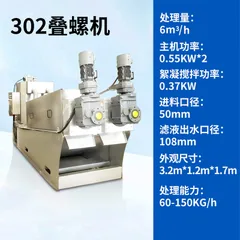
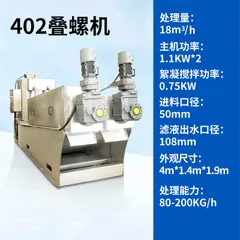
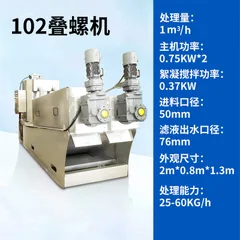
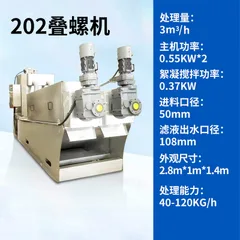
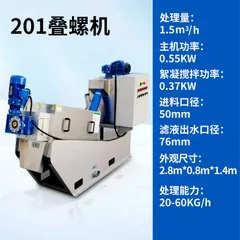
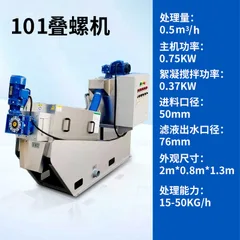
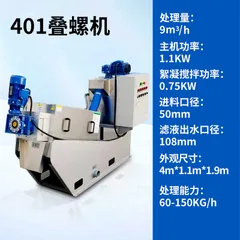
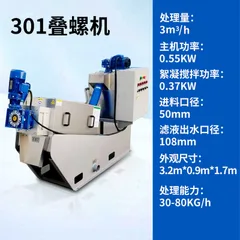
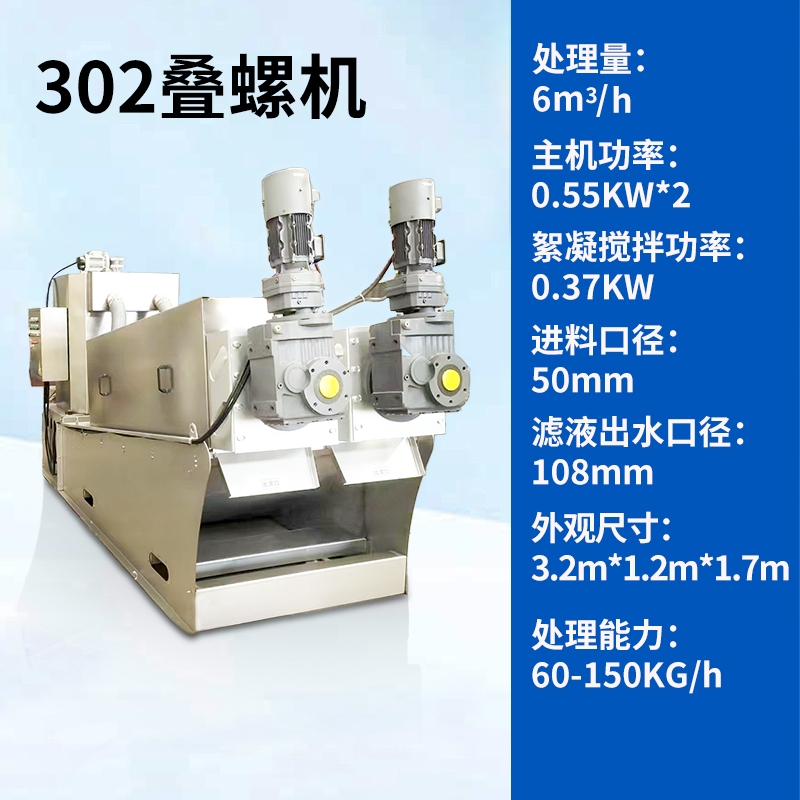
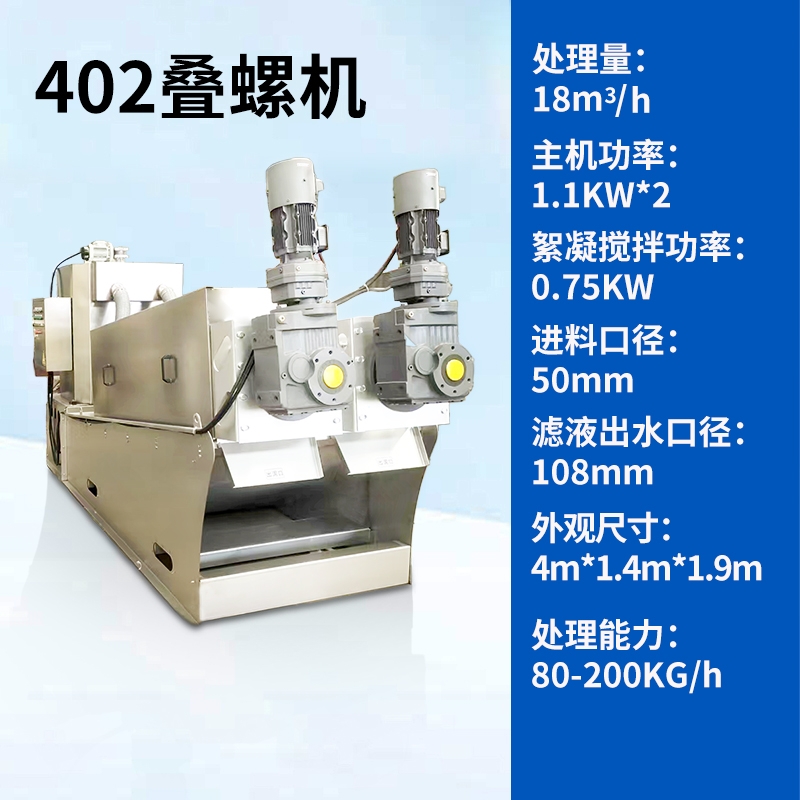
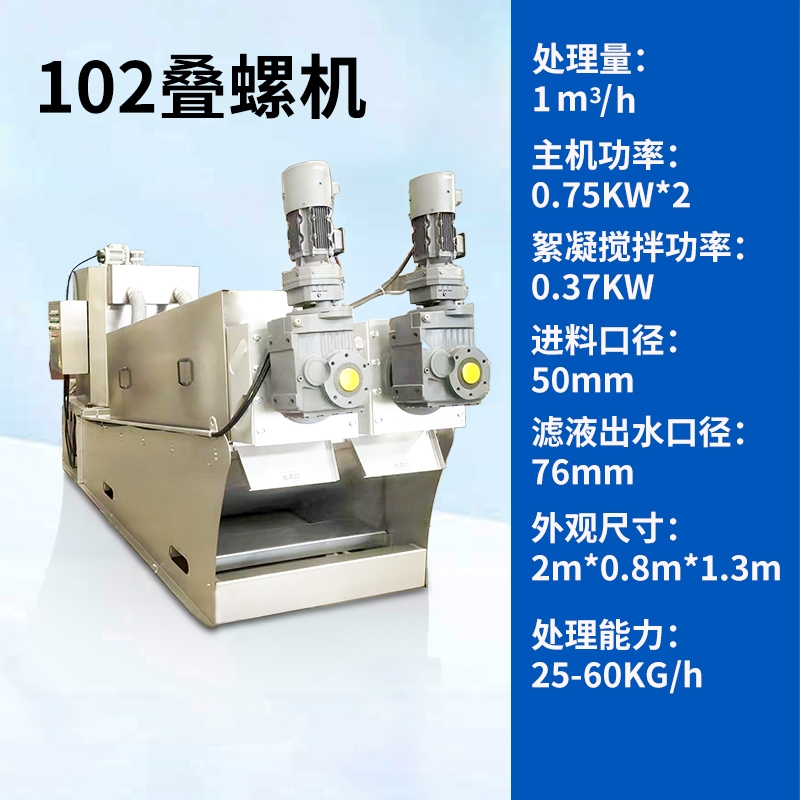
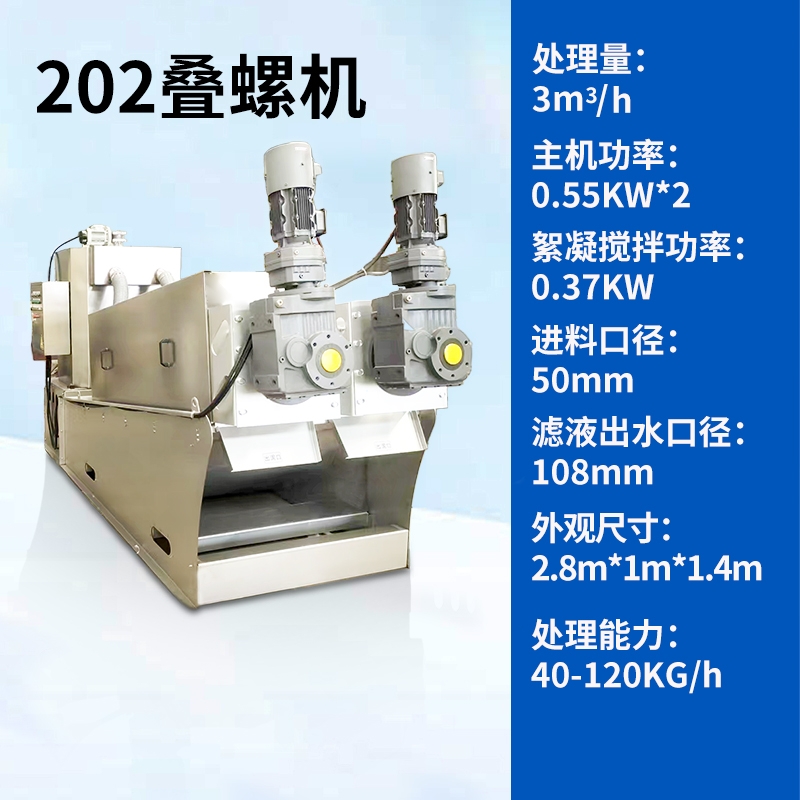
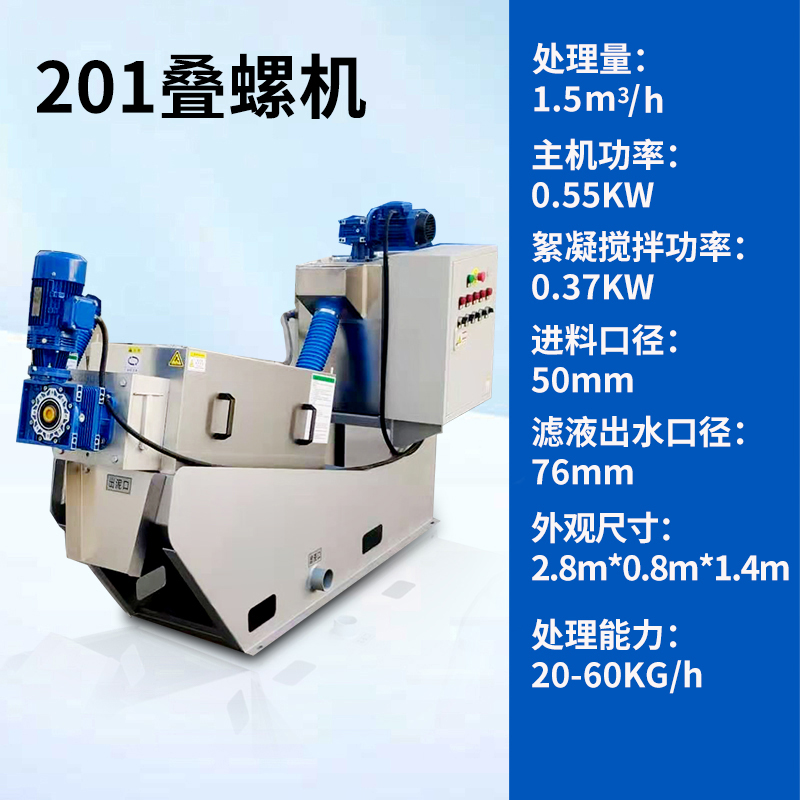
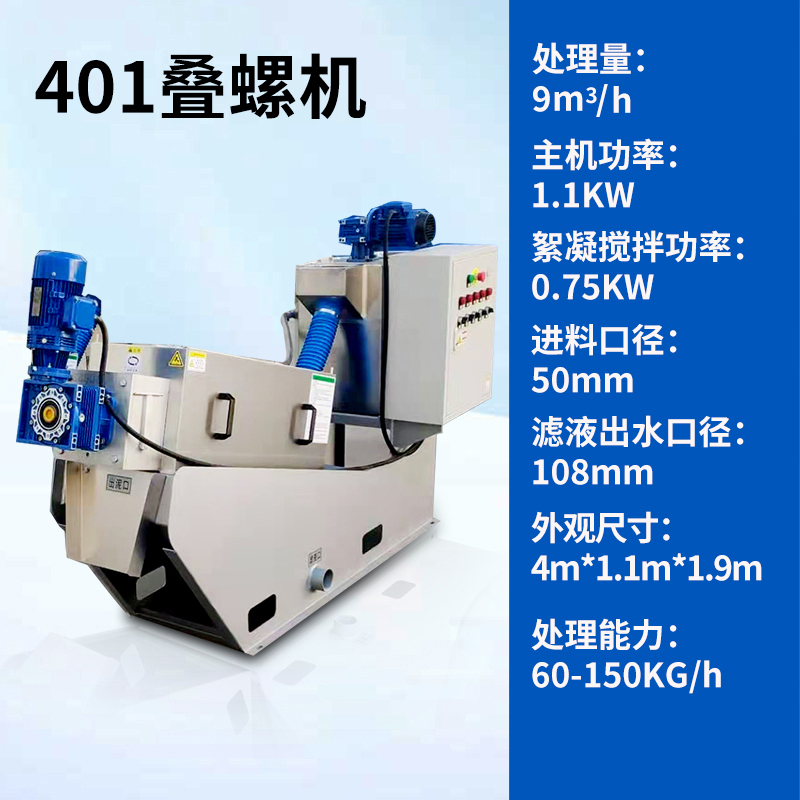
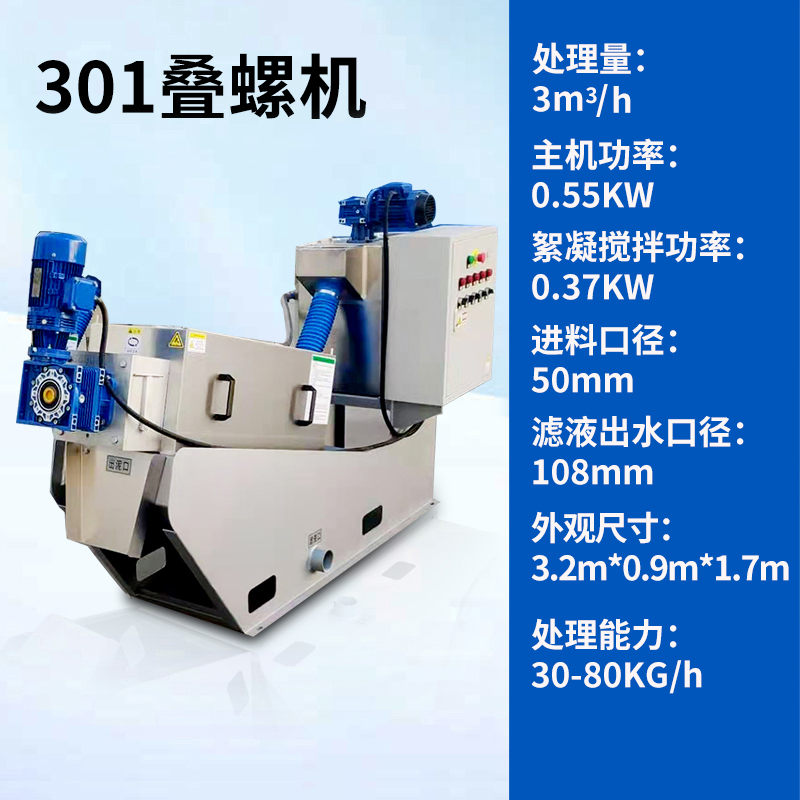
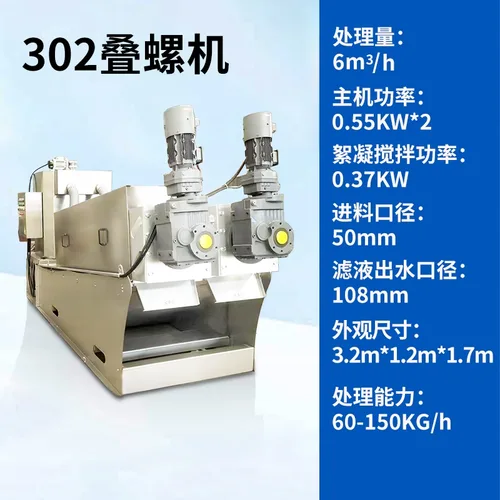
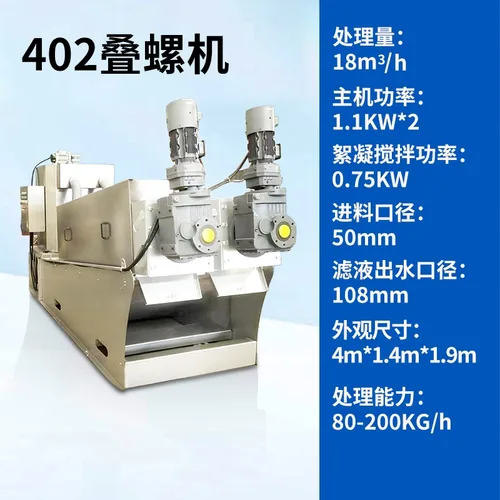
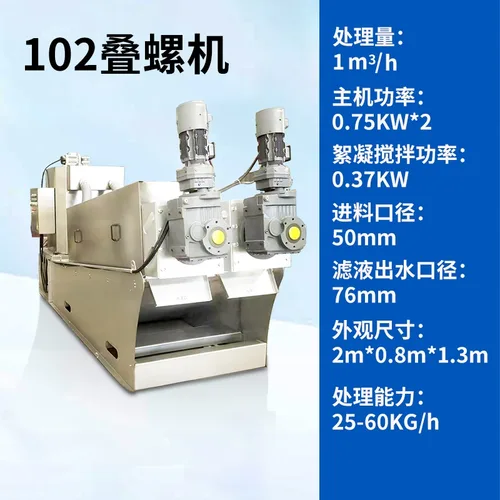
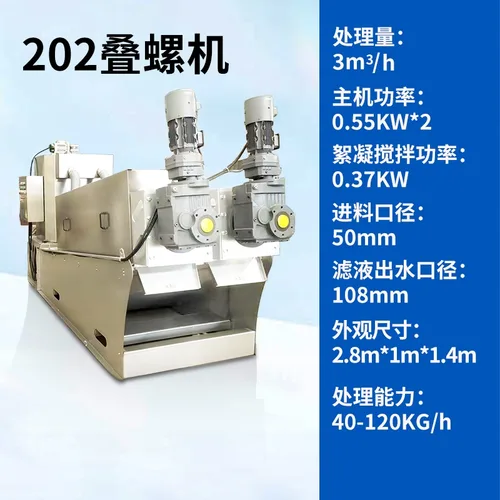
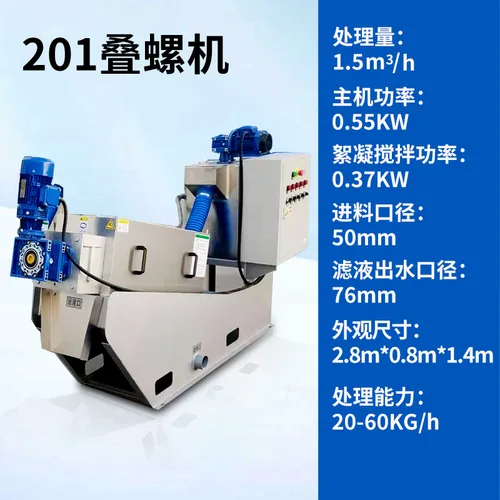
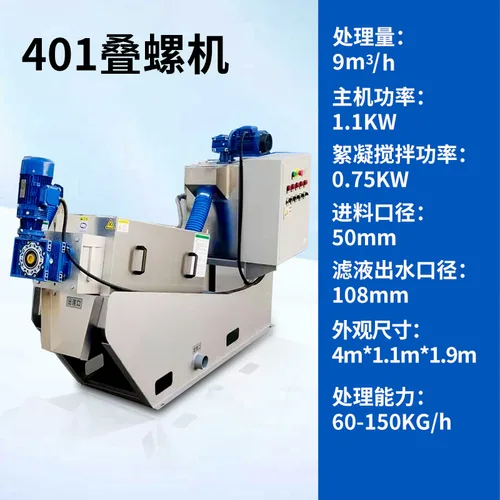
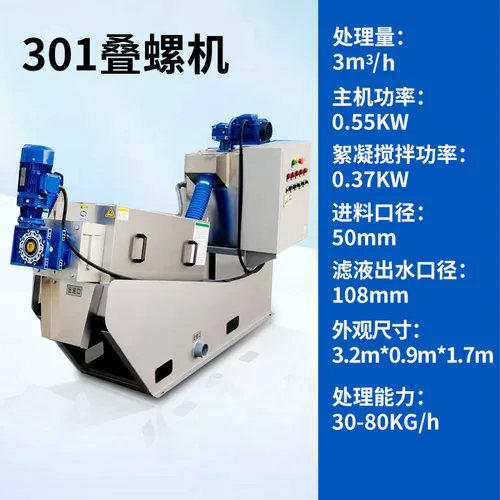
螺旋式污泥脱水机结构紧凑、节省空间,具有能耗低、运行成本低、能效高、技术含量高、易于维护更换、重量轻、运输方便等优点,尤其适用于中小型污水处理厂、乡镇污水处理厂和污水处理站。该脱水机采用独特精巧的滤体结构,取代了传统的滤布和离心过滤方式,降低了投资成本,提高了处理效率。
(1)可直接处理曝气池和二沉池的污泥,无需建造污泥浓缩池和污泥储存池,降低了整体建设投资成本,避免了传统污泥浓缩池中磷释放的问题,增强了污水处理系统的除磷功能。
(2)节省了搅拌机和其他配套设施的设备成本。
(3)节省了污泥脱水所需的空气压缩机、冲洗泵和其他辅助设备的成本。
(4)占地面积小,减少了脱水机房的建设投资,整合了污水和污泥,降低了后续生化反应器的处理负荷,降低了污水处理系统的运行成本。
$2000.00
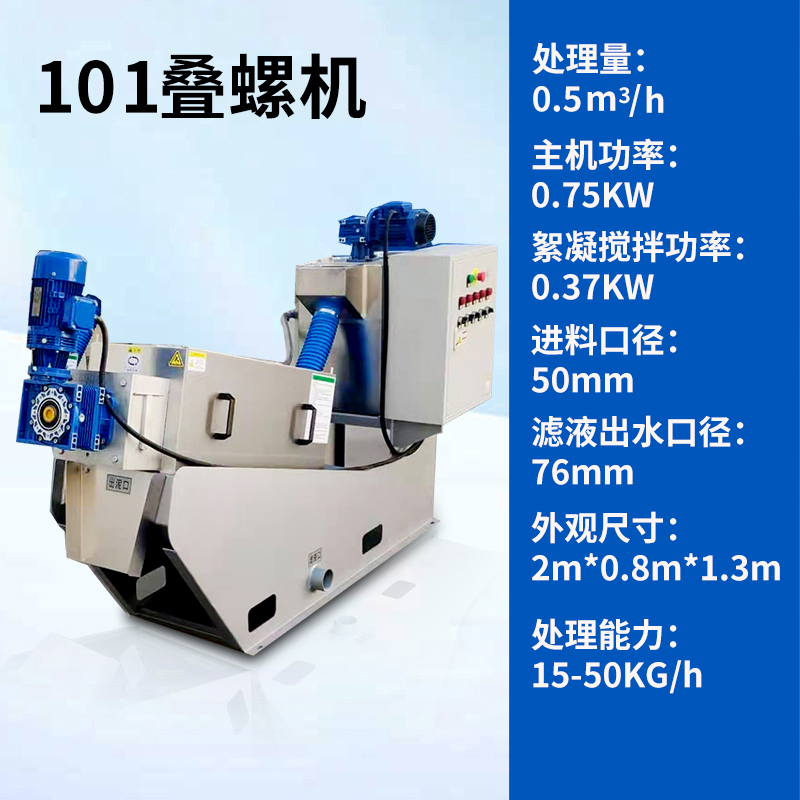
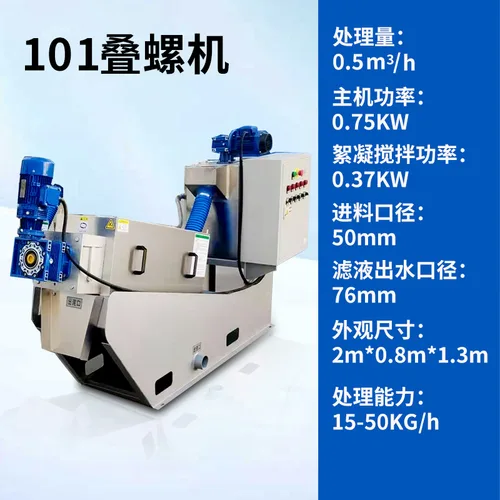
101型螺旋压力机
:
处理能力:每小时0.5吨
发送消息
联系供应商
邹城上达机电设备制造有限公司
查看供应商
成立年份
2012 年成立
员工人数
101-500 人
工厂面积
10,000-50,000 m²
年销售额
1000 万 - 5000 万美元
产品详情
产品规格
产品型号
SD-101
处理能力
每小时0.5立方单位
Description
Contact Supplier
RFQ